

According to SoSoValue data, US spot Bitcoin ETF recorded a net inflow of $134.47 million on September 25, bringing the cumulative net inflow for the week to approximately $2.39 billion.
ETF The requirement needs to remain positive throughout the week. On Monday, the net inflow was the highest, at approximately 999 million US dollars; on Tuesday, it was 714.7 million US dollars; on Wednesday, 346.9 million US dollars; on Thursday, 190.7 million US dollars; and on Friday, 134.5 million US dollars.
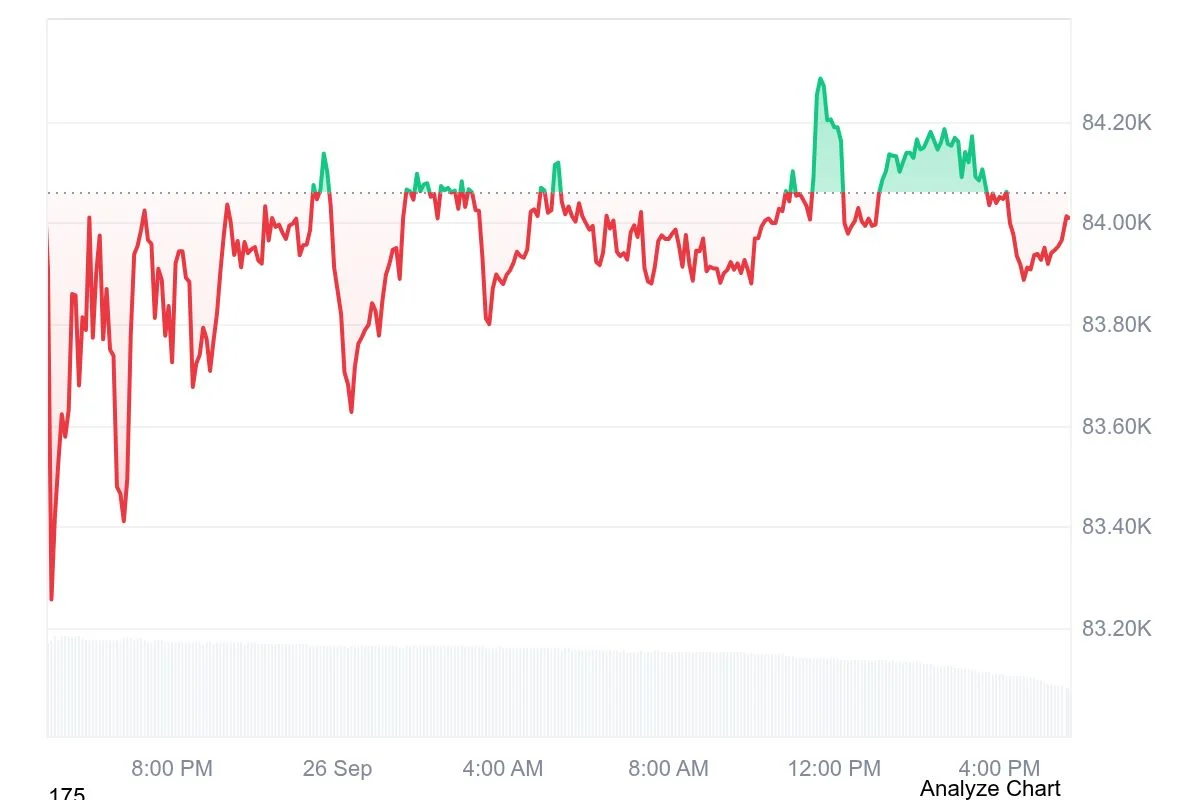
Seven consecutive days of positive capital inflows occurred during a week of volatility in Bitcoin. BTC On Monday of this week, it rose above $87,000, then fell back, with the trading price approaching $84,000 on Friday.
On September 25th, during the Bitcoin ETF, the BlackRock with the code IBIT had the highest net inflow, amounting to approximately 96.99 million US dollars. According to SoSoValue data, its historical cumulative net inflow has reached about 65.28 billion US dollars.
Following closely behind is FBTC, with a net inflow of approximately 49.32 million US dollars on that day, and a historical cumulative net inflow of about 1.106 billion US dollars.
Not all funds recorded positive capital inflows. On that day, BITB of Bitwise experienced the largest net outflow, with approximately 11.85 million US dollars leaving the fund. Despite this latest round of outflows, the historical cumulative net inflow of BITB still amounts to around 2.13 billion US dollars.
As Bitcoin falls from its highs this week, the continued inflow of funds is still worth noting.
However, the data from ETF alone cannot determine how much of the price changes are directly driven by the demand from ETF, as the Bitcoin market price is also affected by derivatives activities, broader liquidity conditions, macroeconomic development, and other buying and selling forces.
Bitcoin has once again returned above the mining cost level.
The trend of Bitcoin this week has also drawn the market's renewed attention to the mining economy. Analysts at JPMorgan Chase consider around $85,000 to be a reference point for the average production cost of Bitcoin, so it is of some significance for miners that prices have recently returned above that level.
When the transaction price is higher than the estimated production cost, it usually helps to improve the economic efficiency of miners, especially for those with relatively efficient infrastructure operations. However, a temporary increase in price above this threshold does not immediately change the underlying economic conditions of the mining industry.
The profitability of mining also depends on factors such as network difficulty, electricity costs, hardware efficiency, financing expenses, and the subsequent price performance of Bitcoin.
A broader market context is equally important. Bitcoin's rebound has been accompanied by a continuous net inflow of ETF, but this cryptocurrency is still below its recent highs.
The continuous inflow of institutional funds, coupled with price consolidation, has drawn market attention to the question: if volatility intensifies again, will the demand for spot ETF be able to remain positive?
For now, the weekly ETF data shows that net purchases continue, with approximately $2.4 billion flowing into US spot Bitcoin ETF over five trading days.
These data indicate that there is a persistent demand for regulated Bitcoin investment products; however, price trends show that strong net inflows of ETF have not prevented short-term pullbacks.