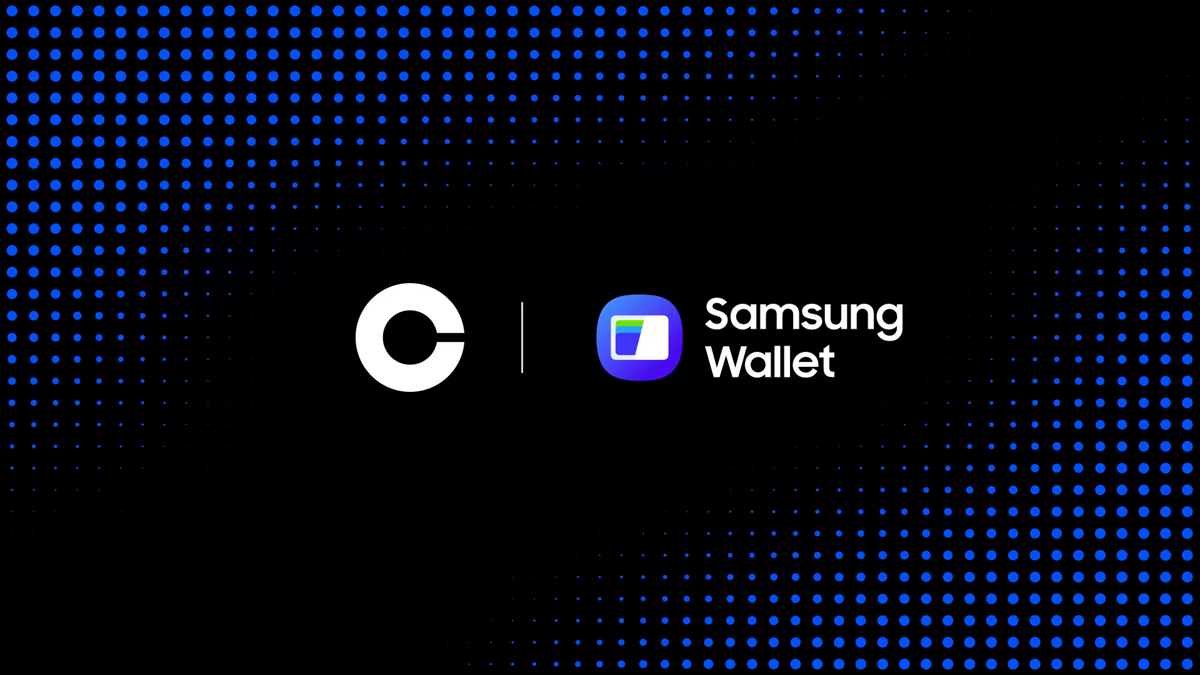


Samsung Electronics announced that it plans to open the transfer capability using USDC through Samsung Wallet to eligible US Galaxy users in the last week of October 2026. This news might easily be interpreted as "stablecoins are now available on all Samsung phones," but the official wording is not quite that: the scope is limited to the US, eligible devices and users, and there is still a planned timeline for the feature to be launched. Samsung mentioned that it has approximately 82 million devices in the US that are compatible with Galaxy, which represents the potential base of compatible devices, not the number of people who have already accessed the USDC service, nor the actual volume of transactions. Confusing plans, compatible devices, and actual usage amounts can lead to an overestimation of the significance of this news.
From the mobile wallet entrance to the cross-border transfer network
Samsung Wallet Originally, aggregated payments, identity verification, and daily vouchers were managed through this platform. Now, efforts are being made to incorporate stablecoins into the familiar mobile user experience. According to Samsung's official guidelines, eligible users will be able to transfer USDC to compatible cryptocurrency wallets at that time, as well as initiate transfers to qualified bank accounts in over 60 countries or regions. It is important to emphasize "eligible": the specific countries available for use, the cooperation channels, identity verification processes, and banking regulations will all affect whether a user can complete a transaction. The announcement highlights the product's capabilities and its target coverage, but it does not mean that every bank in each destination has completed real-time deposit testing.
USDC is a stablecoin denominated in US dollars, but stability is not synonymous with "no risk." In addition to considering the token itself, users also need to understand who handles the entry and exit of funds from the blockchain network, what exchange rates and fees are applied, when settlements are completed, and how to file complaints in case of errors or fraud. No matter how familiar one is with the mobile interface, it cannot replace this understanding. For ordinary users without experience in cryptocurrency assets, the real new barrier may not be the send button, but rather understanding the potential consequences of an incorrect address, an incompatible network, or third-party fees.
Samsung stated that Samsung Wallet itself does not charge a fee for wallet transfers, but third-party services may still impose fees; bank transfers may also incur costs. Therefore, the claim of "wallets without handling fees" should not be interpreted as "all transfers are free." Similarly, the announcement mentions infrastructure arrangements related to Bastion and Coinbase Prime Vault, but this does not imply that Samsung itself becomes a bank or an encrypted asset custodian. Who provides the account framework, who assumes the responsibility for custody, and who is responsible for the final payment need to be distinguished according to the specific product terms. The division of labor between the brand interface and the underlying services is part of the assessment of user rights and interests.
The cooperation between Samsung and Coinbase also provides a more solid foundation for this launch. For large consumer electronics companies, stablecoins are no longer just a means of transferring assets between exchange users; they could be integrated into mobile wallets as a remittance function. However, being closer to the general public does not mean that they will immediately adopt it. Since users already have bank cards, payment apps, and traditional remittance services, stablecoins must demonstrate practical advantages in terms of speed, cost, transparency, and availability to potentially change these habits. If a certain process still relies on multiple intermediaries, the efficiency touted by the blockchain may be offset by these conversion steps.
More important than the release itself are the first few actual transactions after it goes live.
To evaluate this plan, at least three types of test results need to be considered. First, whether the access process is smooth: whether an ordinary user can understand the qualification requirements, complete the identity verification, and be clear about what they are holding or transferring out. Second, whether cross-border payments are reliable: how long does it take for the transfer on the blockchain, for the bank to record the funds, and for the currency exchange; and who is responsible for handling any failures. Third, whether the fees are transparent: whether the possible costs incurred by the platform, the blockchain, and the recipient can be clearly seen before making a payment. If these issues cannot be clearly answered after the official launch, it will be difficult to establish sustained use even with an expanded range of devices available.
Regulation and consumer protection are equally important and cannot be overlooked. Digital wallets are used by a very broad range of non-professional users, and it is essential to inform them about which institutions handle their funds and personal information, where they can file complaints, and which transactions are irreversible. The use of USDC may also involve compatibility issues between blockchain networks, wallets, and banking systems. If product designs only highlight "cross-border transactions in seconds" while hiding the restrictions in detailed terms, it becomes difficult for users to determine who is responsible in case of disputes. The brand trust associated with large hardware manufacturers actually places higher expectations on them regarding information disclosure.
Samsung also mentioned that in the future, they may explore more payment scenarios, but "may" does not mean that they already support using phones for payments with USDC. At this stage, the most accurate statement is that Samsung has announced stablecoin transfer arrangements for some American users, which are expected to be available in the last week of October. Subsequent official announcements, actual functional pages, and transactions that users can complete will be needed to prove the scope of coverage. For the Web3 industry, this is worth paying attention to, not because all phones will suddenly become cryptocurrency wallets overnight, but because a mainstream device is experimenting with how to integrate blockchain-based US dollar services into ordinary people's payment habits.
If users plan to try it after the feature is available, they should not start with large transfers as their first step. It is much more prudent to first confirm the networks supported by the wallet, the information of the recipient, and the fee details, and then test the entire process of receiving and withdrawing funds with small amounts. This is far more reliable than relying solely on the advertised speed of fund arrival. Cross-border transfers require particular attention to the final steps: whether the recipient receives USDC, or if it is converted into bank deposits; whether additional account opening is required; and whether the funds can be used locally after arrival. Only when these details can be consistently replicated can the product be considered to have moved beyond the demonstration stage.