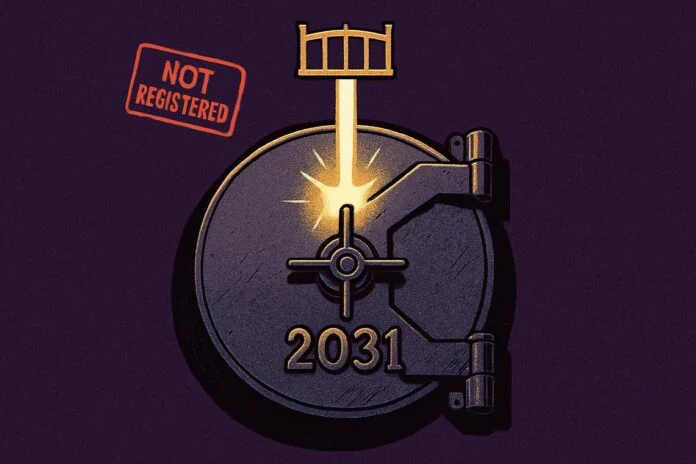


According to Justin Drake, a researcher at the Ethereum Foundation, AI may pose a risk to encrypted wallets sooner than quantum computers. On October 7, 2026, he stated that advancements in AI and the field of mathematics could potentially crack ECDSA – the signature scheme used to authorize blockchain transactions – within a few months in the worst-case scenario.
According to Wu Blockchain, Drake calls on the industry to prepare for the “fortress mode” and combines this warning with recommendations for users, institutions, and Ethereum developers. He advocates for a gradual preparation approach, rather than panic or hasty migration.
According to Crypto Briefing, Drake describes "actual cracking" as: using available hardware, such as large GPU clusters, to recover the private key within about a week. His statement points to a potential future threat, rather than an already occurred ECDSA attack.
Reduce the AI risk of encrypted wallets
Drake It is recommended to gradually transfer assets to new addresses that have not had their public keys exposed before; at the same time, rotate the keys after each transaction signature. His suggestion is primarily aimed at larger and more mature holders, with priority given to addresses that have never signed any transactions, in order to keep their public keys hidden behind the hash values.
After completing the signature, he suggested transferring any remaining funds again. He described this migration as a preventive measure and warned that hasty action could do more harm than good.
For institutions, his recommendations include reviewing exposed public keys and strengthening the security of cold storage. Key signatories, including oracles and the Layer Security Committee, should consider key rotation or adopting hash-based signature schemes, such as SPHINCS.
Drake also urges Ethereum developers to accelerate the transition to hash-based cryptography. He believes that, given the progress of AI, the timeline for security upgrades originally intended to address quantum threats needs to be re-evaluated.
This article was generated with the assistance of artificial intelligence and has been reviewed by an editorial team.