

In opposition to federal regulation of the predictive market, the National Football League of the United States ( NFL ) has sided with the states, Gary Gensler , and one of the drafters of the relevant laws.
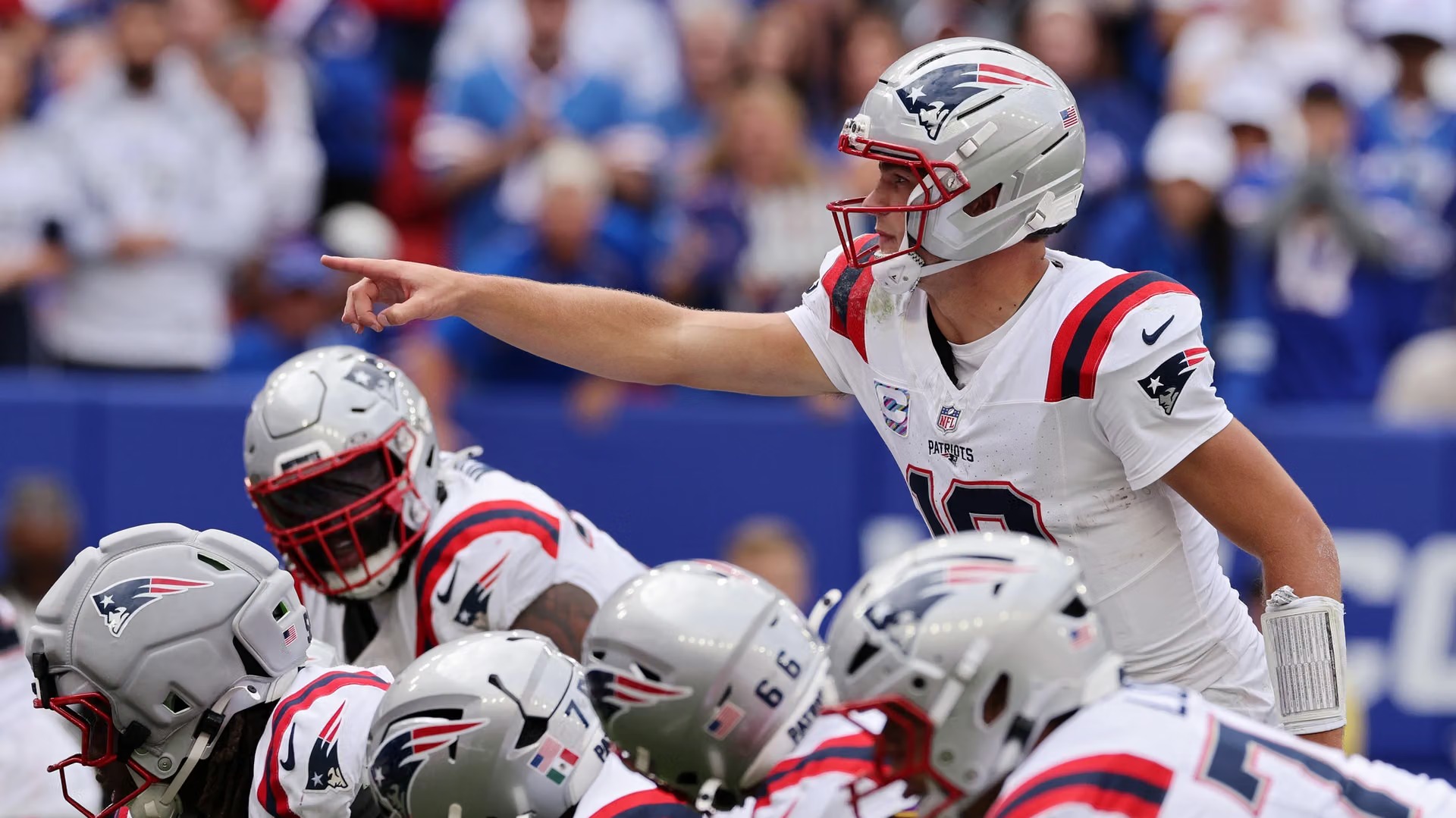
NFL has joined the opposition camp against the federal regulation of predictive markets (such as Kalshi and Polymarket), and has submitted an opinion letter to the United States Supreme Court. The related case may ultimately reach a conclusion.
The National Football League of America is standing together with tribes, state governments, former regulatory officials Gary Gensler, and a legislator who drafted the relevant laws – all of whom are calling on the U.S. Supreme Court to allow local gambling regulatory agencies to oversee these companies.
In the documents submitted on Thursday, NFL stated that the alliance had communicated with the Commodity Futures Trading Commission (CFTC) of the United States regarding how these platforms conduct sports betting, with the CFTC claiming to be the sole regulatory authority for these platforms. However, NFL informed the Supreme Court that these requests went unheeded, leaving behind betting practices that pose "real challenges to the integrity of competitions and consumer protection." NFL is one of the organizations that submitted multiple legal opinions this week, with these documents supporting the view of various states that they have the right to impose local gambling laws on emerging predictive markets.
Kalshi indicates that the company has made multiple attempts to communicate with NFL regarding this issue, but to no avail.
Kalshi Spokesperson Elisabeth Diana said in a statement: "We have been continuously, proactively, and constructively attempting to contact NFL to cooperate in maintaining market integrity, but we have not received any response."
She also pointed out that Kalshi has established cooperative relationships with several other professional sports leagues, including Major League Baseball and the National Hockey League in the United States, while NFL is an exception. Diana said, "Apart from NFL, all other leagues are willing to share data and cooperate to protect the integrity of the competitions."
The legal authority governing sports betting in the market has currently reached a crossroads: a federal court supports the view of Kalshi, stating that CFTC should be the sole regulatory body; two other courts, however, side with the states, arguing that sports betting should be governed by each state's own gambling laws and regulatory agencies. NFL stated in its legal documents that these divergent rulings create an uncertain and dangerous legal environment. This document is considered an "amicus curiae" opinion, which means that relevant parties express their views in the case.
Although New Jersey has requested the Supreme Court to take up the case and make a final ruling, CFTC still insists that the exchanges under its supervision, including Kalshi and Polymarket, are under its exclusive jurisdiction and that state-level authority can be excluded.
In addition to NFL, other voices opposing the stances of CFTC and Kalshi include a former senator who was one of the drafters of the relevant legislation, namely Senator Chris Dodd of the Dodd-Frank Act. This former Democratic senator claims to have "unique qualifications" on this issue and points out that his bill "is not intended to authorize nationwide sports betting through the derivatives market, nor is it meant to replace the decades-long dominance of states and tribes in gambling regulation."
Other individuals who have criticized the prediction market include Gensler, who served as the chairman of CFTC at the time of Dodd-Frank's implementation. This former regulatory official (who also had conflicts with the crypto industry while leading the U.S. Securities and Exchange Commission) refuted the claims of the current chairman of CFTC, Mike Selig, stating that there was never any intention to overturn state gambling laws.
Gensler wrote in his opinion letter: 'Congress has not transferred the jurisdiction over sports betting from the states to CFTC. When Congress passed Dodd-Frank to amend the Commodity Exchange Act, it was in response to the recent financial crisis, not to overturn the federal policy against sports betting, nor to replace the traditional state and tribal regulation.'
The opinion held by NFL is that CFTC currently does not have as strict standards for Kalshi and other companies as those imposed by the individual states. Companies under federal regulation are 'not subject to the same stringent regulatory frameworks and oversight provided by state gambling authorities.' NFL stated that since states began to regulate football betting, the league's primary task has always been to 'maintain the integrity of the games and protect fans as legal sports betting spreads across the states.'
The alliance believes that there are shortcomings in the regulation of CFTC in several key areas: it allows bets based on the selection of individual players, which can be manipulated; it permits people under the age of 21 to place bets; moreover, federal agencies do not have sufficient personnel to regulate these markets as effectively as the state authorities do.
Federal agencies responded on Thursday, stating: "From day one, CFTC has been in contact with NFL regarding the establishment of the agency's rules and policy priorities." A statement from CFTC stated that it is "regrettable" that NFL did not reach an arrangement with the agency, as this could have allowed for better discussion, cooperation, and information exchange between the alliance to promote the integrity and resilience of the forecasting market.
However, NFL insists that CFTC has adopted a more laissez-faire approach than the individual states. Therefore, the alliance requests that the Supreme Court take up this matter as soon as possible.

In its opinion letter, NFL stated: 'Each season, billions of dollars are bet on NFL matches through predictive markets, and any delay by the courts will only lead to increased harm to consumers and a greater risk to the integrity of the matches.'