

Atom of Ledger will run applications such as WhatsApp and Instagram, and will allow users to switch between smartphone functions and a protected mode used for managing digital assets.
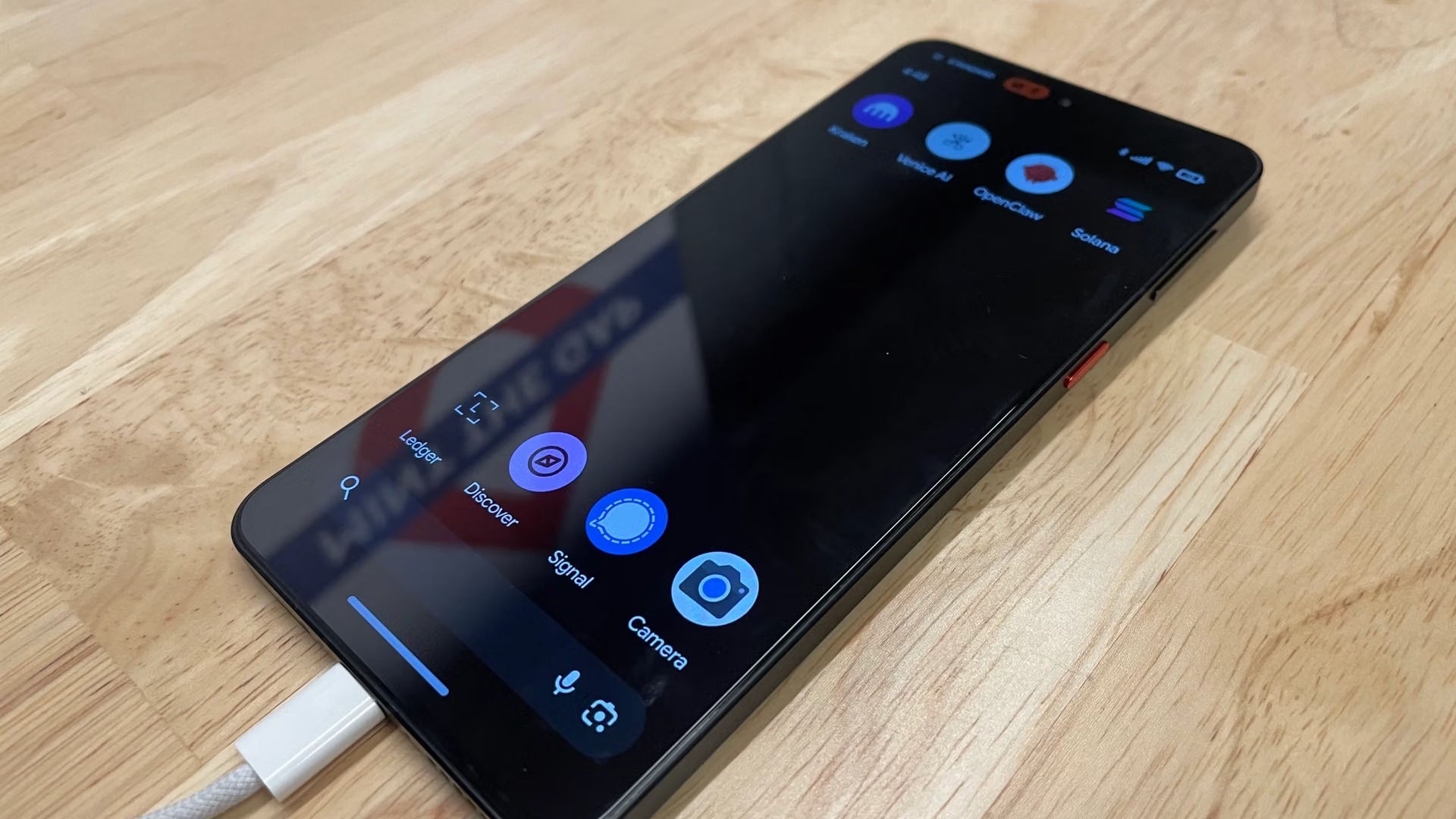
Ledger indicates that Atom is scheduled to be released in the middle of 2027 and will run applications such as WhatsApp, Instagram, and TikTok. Users will be able to switch between the normal smartphone functions and a protected mode designed for managing digital assets. The device will also integrate an AI assistant, OpenClaw.
This device will be equipped with tamper-proof casings, sensors, and packaging, designed to prevent supply chain attacks similar to the recent CryptoBilis vulnerability, even when it is turned off.
Ledger initially planned to sell Atom only through its own website in order to limit the risks associated with third-party distribution, but will not provide trade-in services for customers affected by this vulnerability.
Cryptocurrency hardware wallet manufacturer Ledger stated that the company is developing a new device that looks and functions more like a smartphone than a traditional wallet.
Ledger Atom is scheduled to be released in the middle of 2027, marking a shift in the industry from a focus on protecting digital assets and keeping devices locked away in drawers or on desks towards a different approach.
Atom operates the Android system, which means that users can install daily applications such as WhatsApp, Instagram, and TikTok. Users can switch between the normal smartphone functions and a protected mode designed for managing digital assets. The device also integrates the AI assistant OpenClaw.
The release of Atom coincides with the subsequent impacts of a supply chain security vulnerability incident. This incident involved the Malaysian distributor CryptoBilis, and it is alleged that attackers tampered with the products before they reached the customers' hands. Researchers on the blockchain estimate that the losses caused by this incident amounted to up to $93.2 million, affecting more than 300 wallets; Tether has frozen $10 million worth of the stablecoin USDT related to this theft.
It is alleged that the compromised wallets contain hidden chips capable of intercepting users' 24-word recovery phrases by reading screen signals—these random sequences of words are only known to the wallet owners and serve as the ultimate means of protection for their digital assets.
Ledger informed CoinDesk via email that the company will implement additional protective measures specifically targeting such attacks. These protections include protective casings around the most sensitive components of the device, sensors that can detect attempts to disassemble the screen or back cover, and packaging that can indicate whether the device has been opened before.
This anti-tampering detection system is equipped with an independent battery to ensure it can function normally even when the device is turned off.
The spokesperson stated: "The Core protection shell will clearly prevent screen reading implant devices from being used in this weekend's event."
Ledger initially planned to sell this device only through its own website, rather than through third-party sellers, in order to theoretically reduce the risk associated with the distribution channels involved in the CryptoBilis incident.
The company also stated that there are no plans at present to launch a trade-in program for existing customers affected by this incident, but they did not rule out the possibility of introducing an upgrade promotion in the future.

The concept of combining smartphone functionality with hardware-level encryption security is not entirely new. Solana launched the Saga smartphone in 2023, and last year they introduced its successor, the Seeker, both of which come with built-in hardware protection for private keys. Ledger takes a different approach: starting with an encryption security device and then transforming it to look more like a regular smartphone.