Tether has invested in the San Francisco-based artificial intelligence startup AIsa together with HIVEN, completing a seed expansion financing round that has brought the company's total funding to over 9 million US dollars.
According to the announcement released on October 15 by AIsa, these two investors have joined the company's existing list of supporters, which includes Alibaba, Tribe Capital, Sumitomo Corporation, Draper Associates, and Saison Capital. The technology developed by AIsa allows AI to access online services on behalf of users and make payments, while adhering to the expenditure limits set by the companies.
Tether Capital separately confirmed its participation in the investment, describing this investment as part of its work in AI regarding driven payments and programmable currencies. Neither company disclosed the amount of investment in Tether, the valuation of AIsa, or the equity ratio obtained through this transaction.
This round of financing follows closely on the earlier funding announcement by AIsa. The company stated in July that its cumulative financing amount reached $6.5 million.
Tether joined the financing round with AIsa, with a total financing of over 9 million US dollars.
This round of financing in October raised the total amount disclosed by AIsa to over $9 million, with Tether and HIVEN joining a group of investors that already includes technology companies and venture capital firms.
In July this year, Alibaba and Tribe Capital jointly led the early seed round financing of AIsa. According to a disclosure by the company on July 3rd, Draper Associates, Sumitomo Corporation, and Saison Capital also participated in that round of financing.
At that time, AIsa indicated that since its establishment in 2025, it had raised 6.5 million US dollars. The latest announcement shows that its cumulative investment has exceeded 9 million US dollars.
A comparison of these two disclosed totals shows that since July, AIsa has raised over $2.5 million in additional financing.
However, this difference does not indicate the exact scale of the October expansion round. AIsa has not yet disclosed the amount of capital contributed by Tether and HIVEN, nor has it stated whether there were any other financing transactions between the two announcements.
The company has also not announced a new valuation or disclosed the terms of its latest financing.
The investment of Tether was carried out through its investment department, Tether Capital, which is located in El Salvador. According to its official announcement, this investment will direct the company's profits and excess reserves towards technology, finance, and other industries.
For AIsa, this funding will support the construction of a network aimed at connecting the AI system with paid digital services.
The company plans to continue developing the resource market, payment infrastructure, and enterprise control functions based on the projects launched in previous financing rounds.
AIsa creates payment tools for AI enterprises as agents
The platform of AIsa allows AI to act as an agent to search for and purchase external data, AI models, application programming interfaces, as well as the usage rights of commercial software.
Its system combines service integration with payment processing, enabling enterprises to manage procurement through a single interface, without the need to maintain separate accounts and subscriptions for each supplier.
According to the company's statement on October 15th, the platform also includes features for tracking, billing, and settlement, as well as controls for permissions, budgets, and transaction approval.
Enterprises can first set a spending limit before allowing AI to purchase services on their behalf. AIsa indicates that its infrastructure will record the transactions and provide audit trails, which are used to monitor how the automated system utilizes company resources.
The company refers to this model as a “Trusted Resources and Transaction Network” for enterprise AI agents.
For example, a research agent preparing a report can access paid financial information through this platform, while enterprises can control the amount of expenditure they allow.
A corporate representative responsible for procurement can use the connected services to obtain information, access software, and complete permitted transactions, without the need to establish separate procurement arrangements for each supplier.
AIsa indicates that payments can be made using traditional currency or stablecoins, depending on the service and transaction arrangements.
On October 15th, a statement described stablecoins as an option for making payments to service providers through that platform. The statement did not indicate that all transactions would be settled in USDT, nor did it claim that AIsa would only use tokens issued by Tether.
AIsa, the founder and CEO, stated that AI agents need "trustworthy information, useful tools, and a governed approach to transactions."
He stated that the infrastructure the company plans to build will allow automated systems to access resources and make authorized payments, while allowing enterprises to retain control over permissions and expenditures.
Tether regards AI payments as an investment opportunity
Tether CEO Paolo Ardoino links this investment with the increasingly widespread use of the AI system to perform tasks on behalf of individuals and businesses.
In the investment statement of Tether, Ardoino indicates that as these systems take on more responsibilities, users need to have control over their expenditures on automated agents.
He described AIsa as developing an infrastructure that combines paid services with financial control.
The announcement also listed the data disclosed by the company: There are over 250,000 agents running on the AIsa platform, which have processed more than 100 million transactions.
According to Tether, the network of AIsa can access over 5,000 API, software tools, and models through a single account.
These data are provided by the investors and have not yet undergone independent auditing. Neither announcement discloses the proportion of transactions settled using stablecoins, nor does it reveal the total amount of payments processed.
The company's financing statement in July revealed that it had over 50,000 registered agents and claimed that activity had significantly increased in the first half of 2026.
Since the earlier registration numbers and the latest number of active proxies were expressed in different ways, these two figures do not provide an accurate indication of the actual increase in active customers.
Tether also made other investments related to the AI system, which is capable of managing transactions.
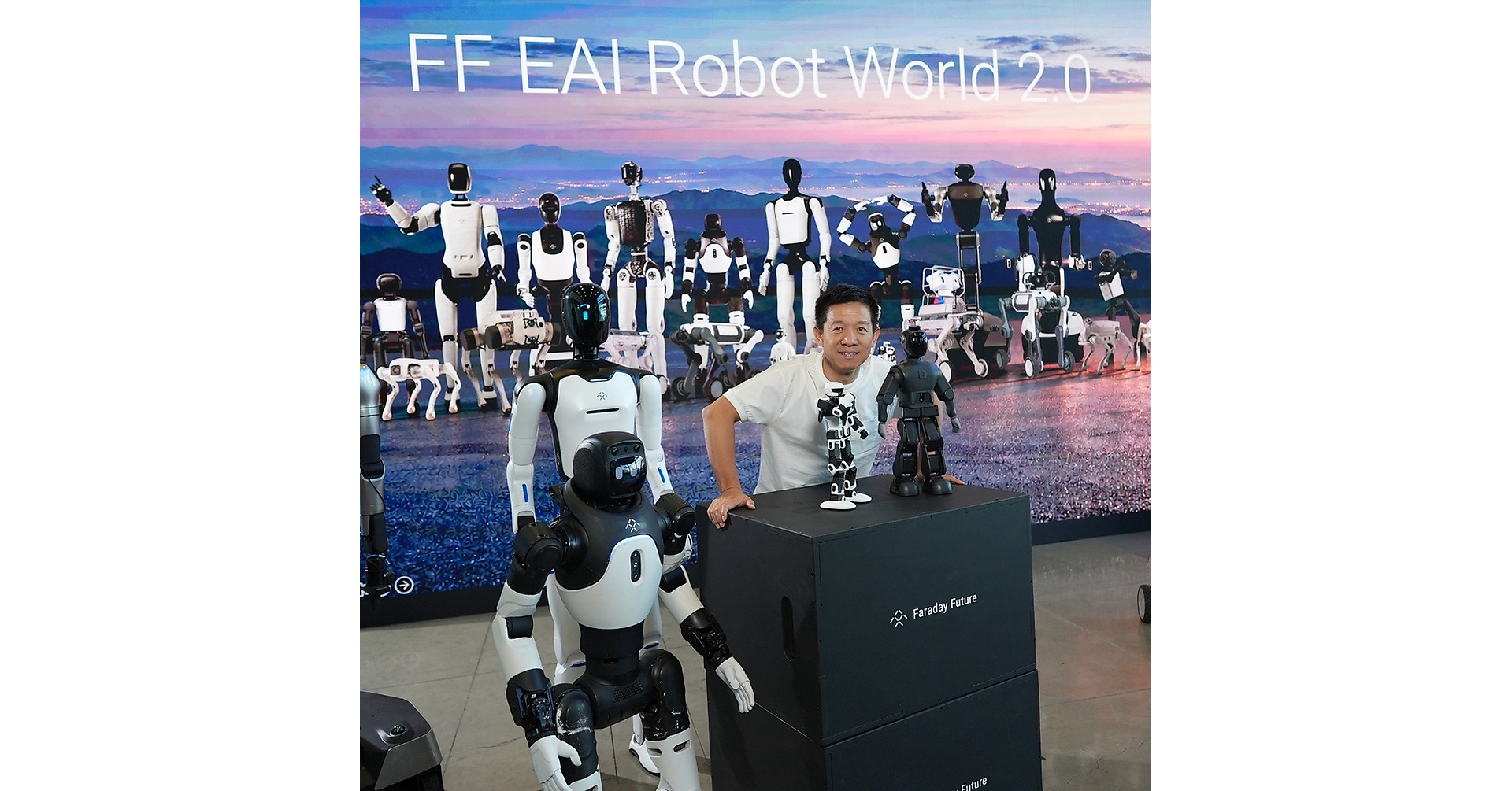
In June this year, crypto.news reported that as NEURA Robotics announced a financing of up to $1.4 billion, a group of supporters including Tether, NVIDIA, and other technology companies participated in the robotics investment of Tether.
The investment announcement for October, Tether, mentioned the application plans of its Wallet Development Kit and QVAC technologies in robot systems.
Wallet Development Kit supports the development of self-hosted wallets, while QVAC is designed to support the AI functions that run on local devices.
As early as May, Oobit, which is supported by Tether, launched a AI payment card, aimed at allowing approved corporate agents to use it for purchases via USDT.
This product includes transaction-level expenditure limits and merchant controls for managing automated procurement.
AIsa Launch of corporate pilot programs, Tether Expansion, AI Investment
At the time of this financing announcement, Tether is benefiting from the returns generated by its reserve assets and continues to advance its investment activities.
In July of this year, the company disclosed that its profits for the second quarter of 2026 amounted to $1.5 billion, with earnings from its holdings in U.S. Treasury bonds and repurchase agreements contributing to its financial results.
The company disclosed that its assets at the end of June were approximately $187.7 billion, with excess reserves approaching $4.1 billion.
These data describe the financial situation of Tether in the second quarter, and do not indicate how much capital was allocated for investment in AIsa.
The technical work of Tether also includes products other than payments. On October 15th, the company released an offline voice model that can run on mobile phones, smart glasses, and robotic devices without the need to send audio to cloud servers.
At the same time, AIsa indicates that pilot projects have been initiated with enterprises to explore the use of automated agents in financial intelligence, market research, supply chain management, and business operations.
The company has not disclosed who the pilot partners are, nor has it revealed the number of active contracts or the commercial value, nor whether these projects have progressed to full-scale production deployment.
Its October announcement listed expanding the global resource network, strengthening corporate expenditure control, and developing transaction infrastructure as key priorities for the next step.