Wal-Mart's Indian e-commerce giant Flipkart is ready to challenge the duopoly in India's food delivery market, which is currently dominated by Zomato and Swiggy. It is entering a highly competitive market that even Amazon and Google have not been able to successfully penetrate before.
According to two people familiar with the matter, the company, headquartered in Bangalore, is currently testing a delivery service internally and has expanded the trial from initially a few hundred employees to over 8,000 people. The company has also deployed a dedicated team of riders through its logistics department to prepare for the official launch, separating them from the riders responsible for instant retail deliveries. Flipkart
This service, which is only available to employees, has been made available as a separate tab within the Flipkart main shopping app, alongside its Minutes instant retail business and travel booking services. This service utilizes restaurant resources listed through ONDC and also connects with restaurants that have directly signed contracts with Flipkart. ONDC is a government-supported network that connects online buyers and sellers on different platforms.
In Bangalore, located in southern India and also the headquarters of Flipkart, riders wearing jerseys with the logos " Eat-in by Minutes " have also begun delivering orders on the streets.
As Flipkart expands its takeaway business, it is entering a market that brokerage firm Bernstein estimates to grow by 18% to 20% annually. However, online delivery currently accounts for just over 15% of the broader food service industry in India. Bernstein estimates that Zomato's parent companies, Eternal and Swiggy, serve a total of about 85 to 95 million paid customers each year. This figure demonstrates the dominance of these two companies and also indicates that there is still significant room for growth for new entrants in the online ordering sector in this country, which has the largest global population with over 1 billion internet subscribers.
Flipkart is not the only company attempting to disrupt India's food delivery market. The ride-hailing company Rapido – which has previously put considerable pressure on Uber and local Indian competitors Ola – has been expanding its food delivery service Ownly, which charges restaurants zero commission. Meanwhile, Swiggy has also launched Toing, an independent app aimed at users looking for cheaper meals. Both of these moves reflect the increasing pressure on the industry's current pricing model and the commissions that restaurants have to pay.
“Monopoly is not good, but duopolies are even worse,” said Sagar Daryani, the president of the National Restaurant Association of India, headquartered in New Delhi. The association represents over 500,000 restaurants across the country. “If one restaurant does something, the other follows suit.”
Daryani believes that for a long time, restaurants have been in need of alternatives to these two major platforms.
Flipkart is not the first company with substantial funds to attempt entering the Indian food delivery market. In 2020, Amazon launched a food ordering service in Bangalore, but it was shut down two years later. Google's Areo app also offered food ordering services, but it too failed to gain market recognition. Uber also withdrew from the market in 2020, selling its Indian Uber Eats business to Zomato.
Daryani believes that Flipkart is significantly different from the companies that previously attempted to enter the takeaway market. Zomato and Swiggy were initially established around food delivery services, and only later did they expand into instant retail; whereas Flipkart takes a different approach. It is leveraging its existing e-commerce business and growing instant retail operations as a springboard to enter the takeaway market.
"The advantages of Flipkart in instant retail will be transferred to its takeaway business, so it will become more streamlined and efficient," Daryani said to TechCrunch.
Restaurants also hope that new entrants can reduce the costs of online food delivery. Daryani is also the co-founder and CEO of Wow, a chain of dumpling brands! He stated that the basic commission proposed by Flipkart is around 10%, while restaurants usually pay commissions of 20% to 25% to Zomato and Swiggy.
However, commissions are just a part of the costs. Daryani told TechCrunch that if advertising, discounts, and other promotional expenses are taken into account, a restaurant's expenditures on existing platforms could ultimately reach 40% to 50% of the order value. He expects Flipkart to keep this total cost at around 15% to 16%, which means that restaurants can retain more revenue per order.
However, getting restaurants to join is one thing, but winning over consumers is another. Bernstein estimates that new entrants can save consumers at most 20 to 30 rupees (about 20 to 30 cents) per order through more efficient operations, which may not be enough to attract customers away from Zomato and Swiggy. The two existing platforms may also offer deeper discounts to retain their users.
Flipkart will not stay in Bangalore for a long time either. Daryani told TechCrunch that the company has informed the restaurants and expects to officially launch a takeaway service by the end of October, with plans to expand to five or six more cities by the end of this year.
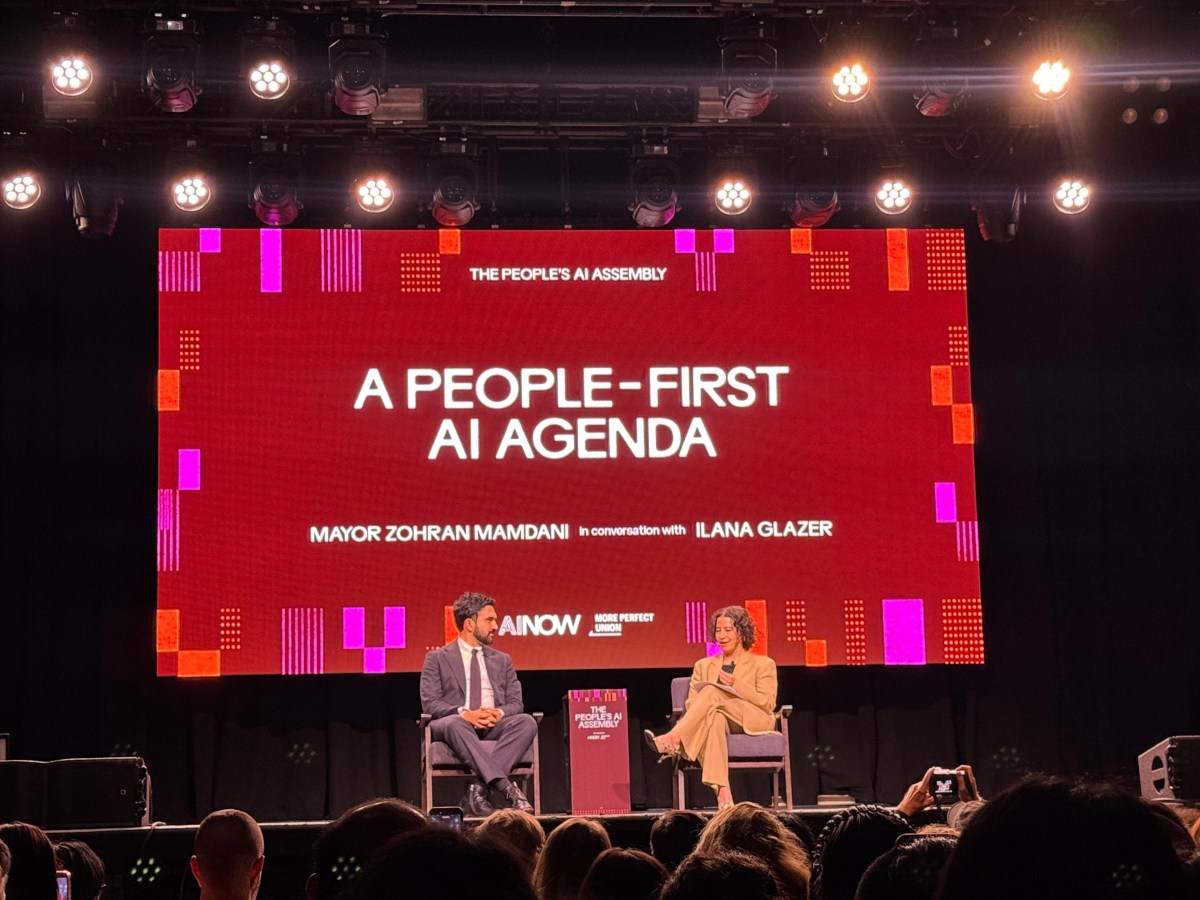
This round of takeaway expansion also occurs at a time when the much-anticipated listing date of Flipkart remains uncertain. CEO Kalyan Krishnamurthy (see above image) recently refused to provide a timeline for IPO, despite the company continuing to expand its services that encourage users to return to its app more frequently.
The expansion of Flipkart occurs amidst increasingly fierce competition in India's e-commerce market. The instant retail platform, which initially started by delivering groceries within minutes, has now even begun to sell the latest models of iPhone and other non-essential consumer goods, which makes their competition with Flipkart and Amazon even more direct.
Flipkart has not responded to the request for comment.