U.S. spot Bitcoin ETF recorded a net outflow of $254.7 million over 30 consecutive days ending October 26, despite BlackRock's IBIT attracting nearly $961.9 million in funds during the same period.
- Based on the daily total calculated by Farside, within the 30 natural days up to October 26th, Bitcoin ETF experienced a net outflow of 254.7 million US dollars.
- During the same period, BlackRock's IBIT saw a net inflow of $961.9 million, while Fidelity's FBTC experienced a net outflow of $725 million.
- Subsequently, there were net inflows for the next three trading days, and as of October 28th, a total of $423.6 million had flowed into the fund.
- In the report on October 28th, Glassnode estimated the cost basis of its holdings of ETF Bitcoin to be around $81,500.
The historical data of Farside Investors indicates that by adding up the rounded daily figures from September 27 to October 26, the total net outflow amounts to 254.7 million US dollars, with the first trading day being September 28.
The outflow of Bitcoin ETF funds has led to divergent performances among issuers.
The same historical data also shows that within this 30-day period, ARKB of ARK with 21 Shares experienced a net outflow of $281.3 million. Therefore, while there was a positive inflow of IBIT, there was also a withdrawal of funds from competing products. After combining all issuers, this category still resulted in a net outflow overall.
For comparison in July, by adding up the rounded daily data of Farside from June 28 to July 27, a net outflow of $230.9 million was obtained. The loss during this period in October was $23.8 million more than the previous one. Both calculations cover 30 consecutive days and only count transactions that occurred during American trading hours on these dates.
Earlier reports in October also documented the outflow of funds from Bitcoin funds during another week from October 12 to 16. crypto.news reported on October 17 that despite two positive trading days, Bitcoin products still experienced a net outflow of $228.4 million.
During those five trading days, IBIT saw outflows of $165.4 million, while FBTC had outflows of $60.2 million. Morgan Stanley's MSBT attracted $6.7 million, and the BITB of Bitwise received $2.2 million. The BTCO of Invesco and the Bitcoin Mini Trust of Grayscale had net outflows of $4.1 million and $7.6 million respectively.
BlackRock led a resumption of buying over three consecutive trading days.
Farside The latest daily reports show that on October 26, there was a net inflow of $110.3 million; on October 27, it was $176 million; and on October 28, it was $137.3 million. The total inflow over these three days amounted to $423.6 million.
Among them, BlackRock contributed $397.8 million, accounting for approximately 93.9% of the total amount, which is calculated based on the daily data of IBIT. Fidelity contributed $24.5 million on October 27th, and Bitwise contributed $1.3 million on October 28th. The remaining listed products had zero net flow on these trading days.
This round of buying occurred after $635.6 million in capital outflows on October 22nd, followed by another $137.9 million outflow the next day. A total of $773.5 million was withdrawn over those two days; however, the inflows in the following three days recovered approximately 54.8% of that amount.
Another report on October 29th regarding three consecutive days of inflows cited SoSoValue data, which indicated a total inflow of 423.66 million US dollars over those three days. The daily figures were 110.34 million US dollars, 175.99 million US dollars, and 137.33 million US dollars respectively.
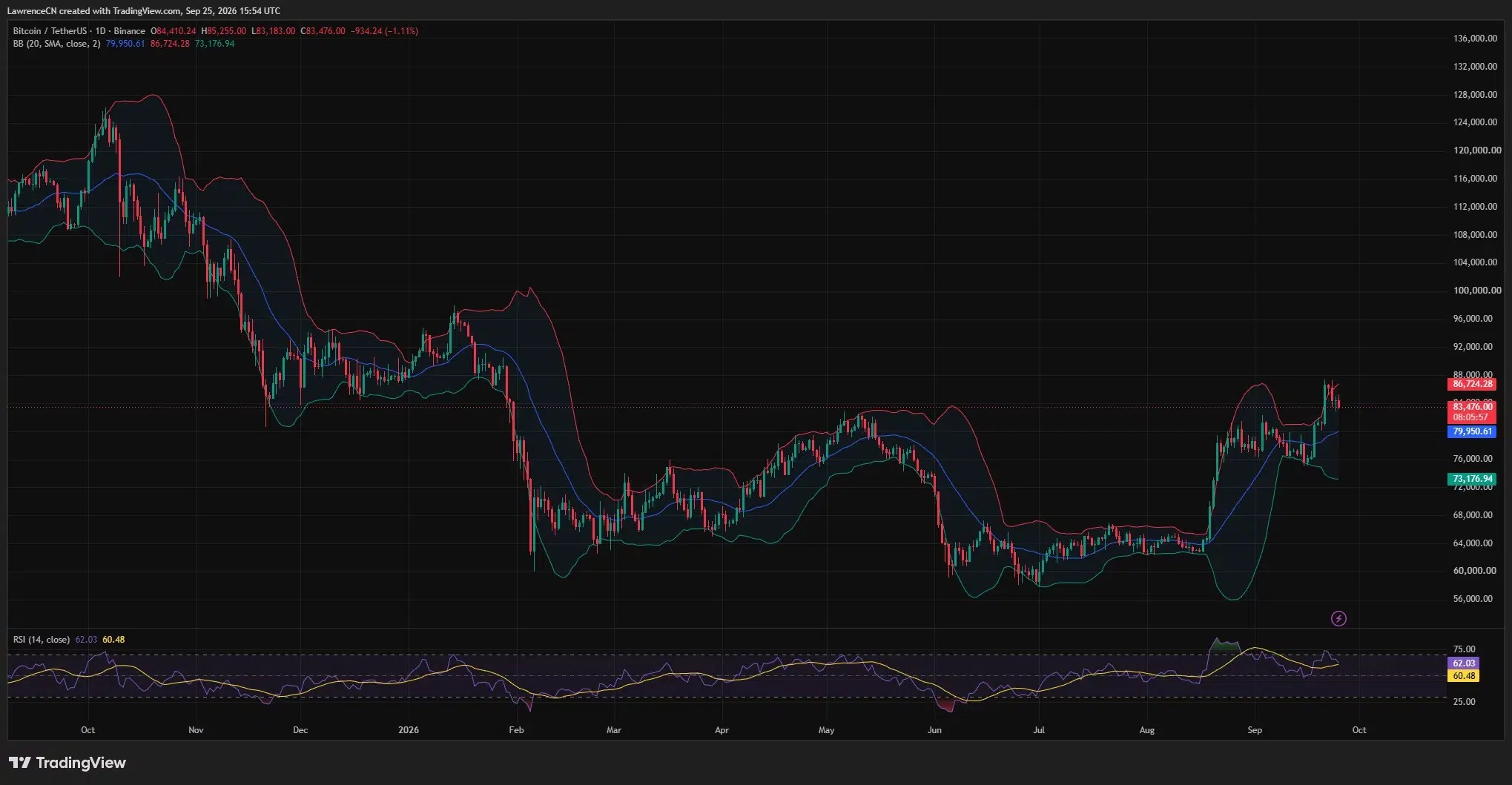
As shown by SoSoValue, as of October 28th, the total net assets of these funds amounted to 104.88 billion US dollars, with a cumulative net inflow of 57.61 billion US dollars. The same report also indicates that although the cash flow of ETF turned positive again, Bitcoin was trading at 79,810.94 US dollars on October 29th, representing a decrease of 1.50%.
Glassnode states that the trading volume of ETF is relatively weak around $80,000.
In its market report on October 28, Glassnode stated that demand for ETF was weak, with average trading volume since May being around $1.3 billion per day. On October 23, the trading volume dropped to $700 million, making it one of the quietest trading days of the year in its dataset.
The institution estimates the average purchase price of its ETF Bitcoin holdings at $81,500. For its True Market Mean, which represents the average cost basis for active investors, it is even lower, at $77,900.
On the Binance spot order book, Glassnode noticed that during the price decline on October 24th, buy orders around $80,000 were executed but not covered. The remaining buy orders at that price level total $3.4 million, while there are pending orders around $78,000 to $79,000 amounting to $42 million, which is higher than the $24 million from mid-October.
Its analysis utilized price and order book observation data as of October 27th, whereas the daily indicators, including those related to the ETF capital flow, were based on data from October 25th or October 26th.
Bitfinex Previously, it was observed that buying activity slowed down when approaching break-even.
The cooling of fund demand became apparent earlier this month. On October 6, reports mentioned that the buying interest in Bitcoin ETF had slowed down. Analysts from Bitfinex believed that between September 28 and October 2, the weekly net inflow had decreased from $2.39 billion to $241.1 million.
Bitfinex noted in its analysis on October 5th that a net outflow of $148.7 million on September 30th brought an end to a series of nine consecutive trading days with a total net inflow of $3.08 billion. Its analysts linked the slowdown in buying activity to investors returning to prices near their estimated entry points, and cited this as one of the possible reasons.
"Our bullish view remains intact, but the timing depends on capital flows, not the calendar," the team wrote.
Using the capital flow weighting indicator of Checkonchain, this report estimates the average entry price for ETF investors to be $84,320. An alternative estimate using Glassnode suggests it was around $81,700 at that time. Bitcoin remained below the estimated value of Checkonchain for 233 consecutive days from January 31 to September 20, until it once again surpassed that level on September 21.
US redemption rules allow for the physical transfer of Bitcoin
In July 2025, the U.S. Securities and Exchange Commission (SEC) approved a related order that allows authorized participants to create and redeem shares of exchange-traded products in cryptocurrency in physical form. Previously approved spot Bitcoin and Ethereum products were limited to cash transactions only.
In the announcement, SEC stated that this change aligns these products with those traded on other commodity exchanges. Jamie Selway, who was then the Director of Trading and Markets, described this process as bringing flexibility and cost savings to issuers, authorized participants, and investors.
Commissioner Mark Uyeda stated in the accompanying statement that the previous structure, which was limited to cash only, required authorized participants to redeem shares in US dollars, forcing the issuer to buy or sell the underlying crypto assets on the public market. He pointed out that transaction costs and the risk of price slippage were among the burdens of that structure.