OpenAI has recently hired an official who just left the Pentagon, indicating that this cutting-edge laboratory's interest in the defense sector is growing, and it also reflects the increasing number of former military officials in its team.
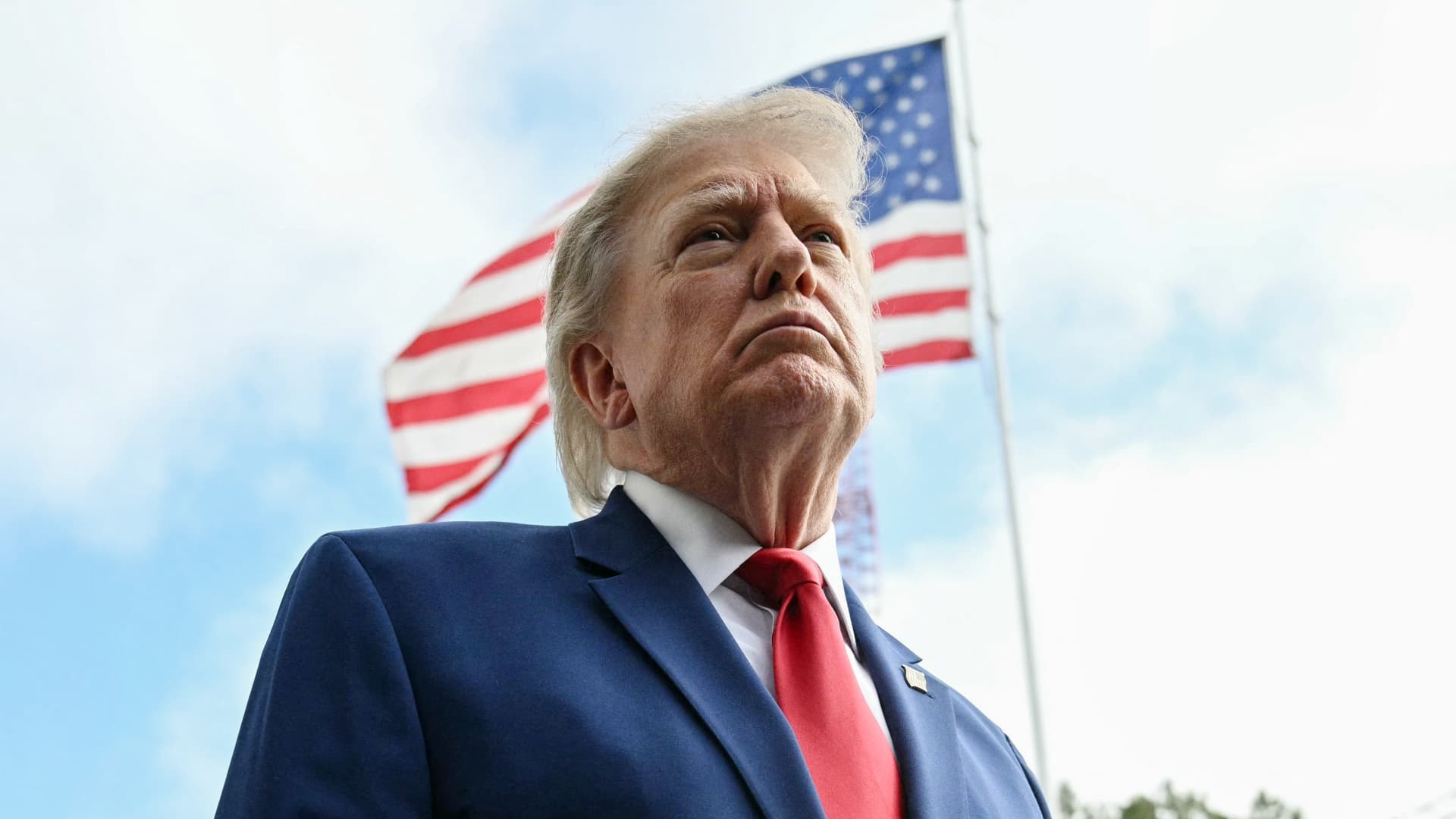
OpenAI announced on Monday that it has hired former U.S. Army Secretary Dan Driscoll to take on a specially created position: Senior Advisor for National Security Modernization. Just two months ago, Driscoll left the Trump administration, and it was reported that he had a conflict with Defense Secretary Pete Hegseth at that time.
OpenAI indicates that in this role, Driscoll will provide advice to the company's public and private sector partners on how to modernize at the policy and strategic levels in order to support the use of artificial intelligence to enhance national security. The focus of his work will be on how to use AI responsibly in order to improve the security of the United States and its allies.
The head of the Department of Information Technology and Analytics at the Cogold School of Business at a U.S. university, Gwanhoo Lee, stated that the activation of Driscoll by OpenAI continues the strategy of investing resources in the defense sector, as there is a high demand for AI systems that can enhance national security in this field.
Lee said to Fortune, "This appointment continues their trend of seeking opportunities to hire important government officials in order to strengthen their relationships with the government and enhance their business dealings with government agencies."
In June 2024, OpenAI appointed Paul Chong Tzen-kun, a retired General of the U.S. Army and former Director of the National Security Agency, to join the board of directors. Later that same year, OpenAI collaborated with the U.S. defense contractor Anduril to integrate the system of OpenAI with Anduril's drone threat database.
Driscol did not respond to Fortune's request for comment.
OpenAI Why Hire Driscoll
During his tenure in the federal government, Driscoll promoted a number of modernization initiatives, including the use of low-cost drones on battlefields, reducing red tape for defense contractors developing drones, and encouraging the Pentagon to switch to commercial software—a departure from its past practice of purchasing software tailored specifically for the military. He also unexpectedly became a mediator in the negotiations to end the Russo-Ukrainian war, traveling to Europe several times to facilitate talks between Ukrainian and European officials. Furthermore, he secretly went to the Middle East to meet with Russian officials.
OpenAI CEO Sam Altman stated in a press release: "The United States has an extraordinary opportunity to collaborate with other countries to promote the spread of democracy AI."
Driscol stated, "This technology will help them keep up by reducing paperwork, organizing more information, and delivering the correct answers to the right people more quickly." He also said, "I joined OpenAI to help the United States and its allies use this technology responsibly, to serve those who protect our security."
This former Army Secretary left his position in September after only 18 months at the Pentagon. Prior to that, there had been long-standing tensions between him and Hagel, particularly over issues related to promotions and the pace of modernization efforts at the Pentagon. Before Driscoll's departure, several other senior officers also resigned one after another, including General Randy George, who was removed from his position in April as the highest-ranking active-duty officer in that institution, and General Christopher Donahue, who resigned in June. The latter was a supporter of the use of drones by Ukraine.
Before joining the Trump administration, Driscoll was involved with several investment and consulting firms, serving as the Chief Operating Officer for the venture capital firm Flex Capital, as well as a partner at the private equity company 100watt. He served in the U.S. military from 2007 to 2011 and was deployed to Baghdad, Iran in 2009.
External concerns regarding the relationship between OpenAI and the Pentagon
Lee indicates that Driscoll's new position in the private sector could trigger external doubts regarding the 'revolving door issue' between OpenAI and government officials. He pointed out that potential conflicts of interest could affect the government procurement process, or influence the government's decisions on which private entities to purchase goods and services from.
Lee said, 'If AI Company can recruit people right after senior military officers or other important government officials leave their positions, from the perspective of the procurement process, I don't know how fair the government procurement process can be when AI Company has individuals from those institutions among its staff.'
He explained that as countries become increasingly dependent on the AI system for defending against national security threats, as well as for launching certain forms of offensive cyberattacks, investing in the most effective and cost-effective technologies has become key to maintaining national security and infrastructure. However, if transactions rely too heavily on existing social connections, the priority of securing contracts from the private sector may become blurred.
Lee added, "If procurement is based on relationships rather than technical advantages and strength, that puts us at risk. As AI companies assume national security risks, we need clearer regulations and conflict of interest rules. Therefore, I believe there are governance concerns in this regard."
OpenAI indicates that all parties are aware of the restrictions after leaving their positions and will comply with the relevant regulations.
Although the collaboration between OpenAI and Driscoll will go beyond its relationship with the Department of Defense, OpenAI's previous dealings with the Pentagon have already raised concerns among technology policy experts regarding security and privacy. In June 2025, the company won a $200 million contract from the Department of Defense to design AI tools for the agency to address national security challenges.
In February, the relationship between OpenAI and the Trump administration further tightened when OpenAI signed a new agreement with the Pentagon to deploy its AI model into that institution's security networks. Earlier in the same month, Hergesseth issued an ultimatum to Dario Amodei, the CEO of Anthropic, a competitor of OpenAI, demanding that the company allow unrestricted use of its AI; however, Anthropic refused to lift the security restrictions regarding large-scale domestic surveillance and the use of autonomous weapons. Subsequently, Trump ordered federal agencies to stop using Anthropic's products, and Hergesseth also designated the company as a "supply chain risk" to national security, which was the first time the United States had made such a designation against a domestic company.
The agreement subsequently reached with the Pentagon by OpenAI still imposes restrictions on how the government can use its technology, but it allows the deployment of its AI model within the Pentagon's secure networks under the clause of "all legitimate purposes," thereby expanding the scope of legal use for the technology.
Experts warn that this agreement leaves legal loopholes, such as whether the large-scale analysis of American data – which is itself legal – is different from large-scale surveillance.
Center for Democracy & Technology Policy Vice President Samir Jain said to Fortune earlier this year: "According to U.S. law, it is legal for government authorities to purchase commercially available information provided by data brokers and other third parties. If you purchase large amounts of data and have AI analyze it, you could ultimately end up implementing large-scale surveillance over Americans through this process. Currently, there are no legal restrictions or prohibitions on this."
In a blog post updated in March, OpenAI mentioned that it included relevant wording in its agreement with the Department of Defense, stating that in accordance with the Fourth Amendment to the Constitution, the National Security Act of 1947, and other applicable laws, its AI system will not be intentionally used for domestic surveillance. The post also noted that the Pentagon understands these restrictions, which prohibit the intentional tracking of American citizens or nationals, including through the procurement or use of personal information from commercial third parties.