IT News on November 16th: According to Reuters, Intel (Intel) has been sued by shareholders. Investors accuse this American chip manufacturer of concealing the long-term slump in the personal computer (PC) market and its impact on the company's business, misleading shareholders, which led to a nearly 29% plunge in the company's stock price in a single day.
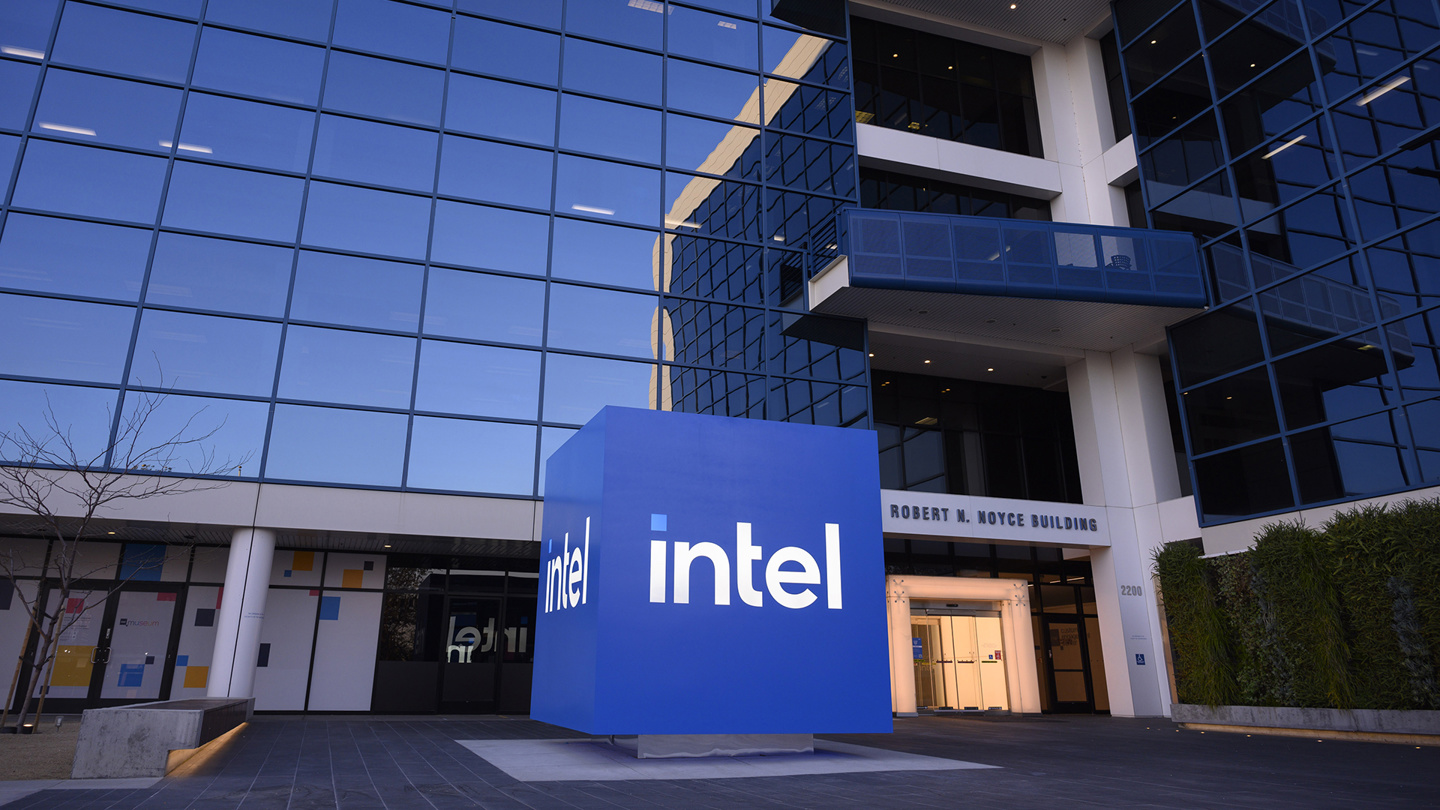
Last Friday local time, shareholders led by a pension fund from Michigan filed a proposed class action in the Federal Court of San Jose, California. The shareholders believe that Intel failed to disclose in a timely manner how much the slowdown in PC sales and backlogs in inventory would impact the company's revenue.
Litigation documents indicate that the negative impacts of Intel's PC business's weak sales and excess inventory have surpassed the benefits brought by data center construction and the boom in artificial intelligence.
Shareholders also alleged that Intel had the motive and the opportunity to mislead investors by concealing operational problems in order to raise funds in mid-August. At that time, the company was in what shareholders referred to as a 'catastrophic' mid-third quarter, yet it sold shares worth $23 billion (approximately 153.603 billion yuan at current exchange rates) at a price of $95 per share (note from IT: approximately 634.4 yuan per share at current exchange rates).
This stock sale is closely related to Intel's plan to expand its chip foundry business. It is also an important part of the business strategy of CEO Chen Liwu ( Lip - Bu Tan ). As of last Friday's close, Intel's stock price was $59.66 (approximately 398.4 RMB at current exchange rates).
On October 30th, Intel's stock price plummeted by 28.6%, with its market value evaporating by approximately $140 billion in a single day (equivalent to about 934.976 billion yuan at current exchange rates). Just the day before, Intel announced fourth-quarter revenue and profit forecasts that fell short of market expectations, and it is anticipated that the weak sales PC will continue for an extended period of time.
At the subsequent financial report conference call, Chen Liwu stated to analysts that the supply shortage in the manufacturing process, the unprecedented tight memory supply, and the resulting weak market demand for PC disappointed him.
Chen Liwu added, 'We must respond to these challenges swiftly.'
Like many other large technology companies, Intel has invested heavily in expanding chip manufacturing capacity in recent years. However, disruptions in the supply chain and limited production capacity have made it difficult for the company to fully benefit from the growing demand for data center chips. At the same time, the continuous rise in memory prices has pushed up the selling price of PC, further suppressing market demand.
This lawsuit is led by the Southfield City Fire and Police Retirement System ( City of Southfield Fire and Police Retirement System ), which seeks compensation for losses from Intel to investors who purchased the company's stock between July 23 and October 29, 2026, although the specific amount has not yet been determined.
In addition to Intel, Chen Liwu and Chief Financial Officer David Zinsner ( David Zinsner ) are also listed as defendants.
Despite a recent sharp decline in stock price, Intel's stock price has still risen by 62% since the beginning of this year as of last Friday. However, its stock price has fallen significantly from the recent high of $142.35 (approximately 950.7 yuan at current exchange rates) set on June 30.