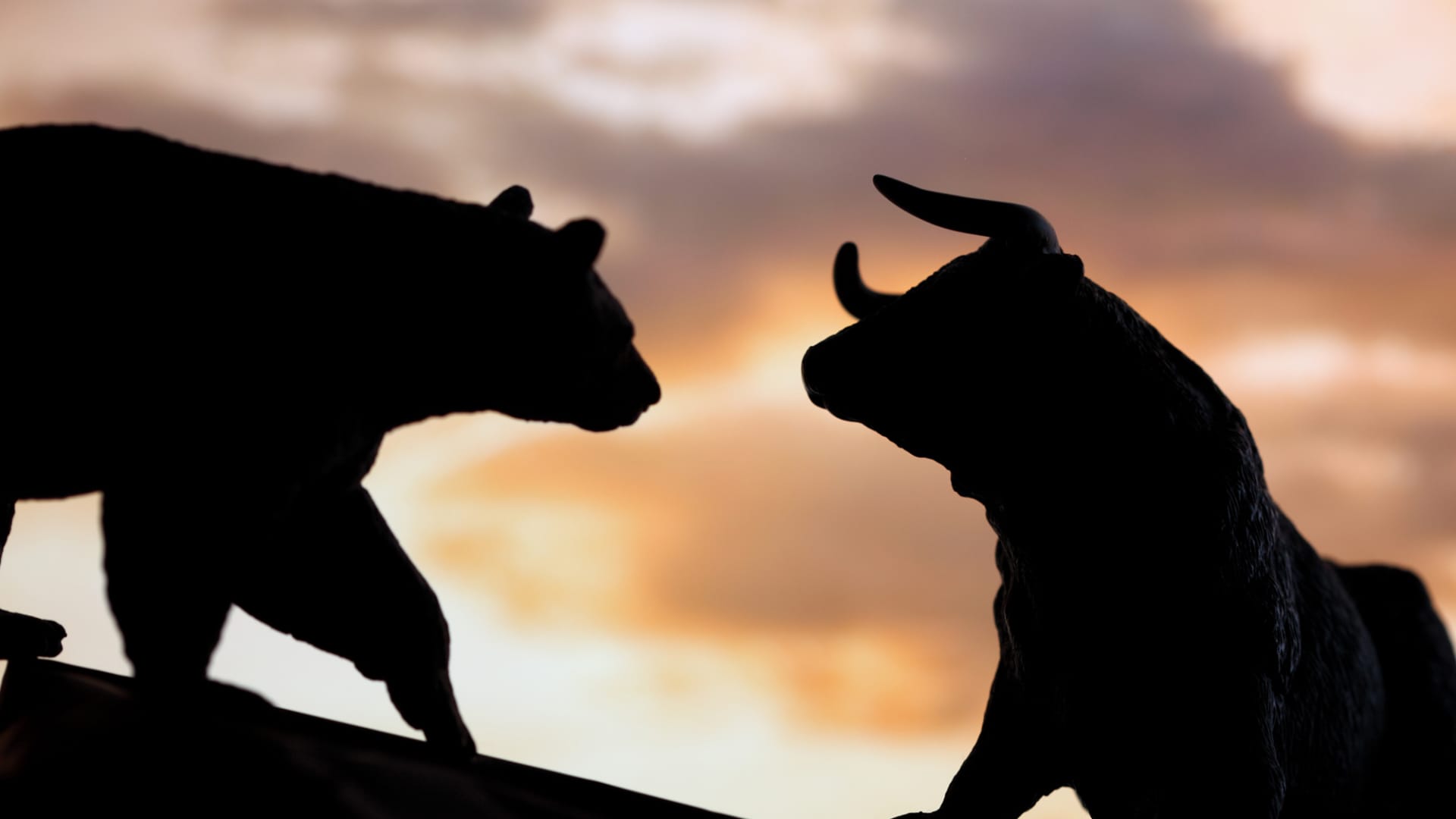


The S&P 500 index entered a correction zone on November 20th, which is the first time this has occurred since April 2025; prior to that, U.S. stocks had tumbled significantly from their historical highs reached in October.
The so-called market correction usually refers to a decline of 10% from the recent high point. At the time of this correction, investors' concerns regarding a possible slowdown in spending on AI, the valuation of ultra-large market capitalization tech stocks, and the path of the Federal Reserve's interest rate policy continued to rise. On November 20th, the S&P 500 index fell 3.7% in a single day, closing at 6,910.39 points, marking the seventh consecutive trading day of decline. This has brought the index down 11.6% from its peak closing price of 7,818.93 points on October 6th.
A pullback may further evolve into a bear market, which is typically defined as a decline of 20% or more from the most recent high. However, history shows that even a bear market, let alone a pullback, does not necessarily mean that the economy is doomed to enter a recession.
According to an analysis by CNBC, in the 13 bear markets of the S&P 500 index, there were 8 instances where they overlapped with recessions defined by the National Bureau of Economic Research ( NBER ) in the United States, while in another 5 instances, there was no overlap. NBER defines a recession as "a significant decline in economic activity that affects the entire economy on a widespread basis and persists for several months or more."
The oil shock from 1973 to 1974, the bursting of the internet bubble in 2000, the financial crisis from 2007 to 2009, and the economic recession caused by the pandemic in 2020 all coincided with economic downturns. However, there were also significant bear markets that did not accompany economic recessions, including those in 1987 and 2022.
What does Wall Street think?
Deutsche Bank macro strategist Henry Allen stated that since the "Kennedy Slump" in 1962, every bear market in the S&P 500 index has been accompanied by at least one of the following three factors: economic recession, worsening economic data that sparked concerns about recession, or a Federal Reserve interest rate hike cycle. At least for now, these factors are not present.
This strategist based in London wrote on Tuesday: "Although last week's sell-off was quite severe, it is worth noting that there are several differences when compared to many other major risk-aversion moves in recent years."
Allen indicates that there has not been a sudden re-evaluation of growth prospects recently; however, it was during the impact of the COVID-19 pandemic that the global economy was pushed into recession, with the S&P 500 index plummeting by 33.9% in just 33 days. He said that the current situation is also different from the "Liberation Day" tariff period in 2025, when there was likewise a re-evaluation of growth prospects.
Economic data has not deteriorated either. In November, the U.S. Markit Composite Purchasing Managers Index ( PMI ) initial reading was 54.6, above 50, indicating that business activity continues to expand. Allen noted that another factor that often occurs alongside recessions is a significant shift in central banks' stances towards a more hawkish approach, which has happened during both the bear markets of 1966 and 2022.
Allen indicates: "However, today's decline in the stock market was not accompanied by a hawkish re-pricing." Despite the general market expectation that the Federal Reserve will raise interest rates again at its last meeting of the year on December 9th.
Allen said that current market pricing for the number of Fed interest rate hikes by September 2027 is lower than the pricing at the time the S&P 500 hit a record high on October 6. "If there is any change, it is that as the stock market has fallen, market pricing has slightly shifted towards a more dovish stance."
According to Allen, in the more than 60 years since 1962, bear markets have always been accompanied by at least one of the three situations mentioned above.
He said, "Therefore, it would be unusual if a bear market emerged today against the backdrop of none of these situations occurring."