OpenAI has filed a counterclaim against Apple, accusing the tech giant of stealing its trade secrets and blocking its hardware supplier channels. The legal confrontation between these two former partners is rapidly intensifying.
On Friday, OpenAI filed a lawsuit in a California court in response to Apple's allegations of trade secret theft made this summer. In the complaint, OpenAI used strong language, accusing Apple of "engaging in unfair competition by all available means," which included "a variety of illegal, unfair, and infringing acts."
This legal friction has further damaged the relationship between the two companies. Just two years ago, the two parties reached a cooperation agreement to embed ChatGPT into iPhone.
Now, as OpenAI accelerates its layout in the hardware sector and directly competes with Apple, the relationship between the two parties has deteriorated sharply. The outcome of this legal battle will have a profound impact on the competitive landscape of the two companies in the AI hardware and supply chain sectors.
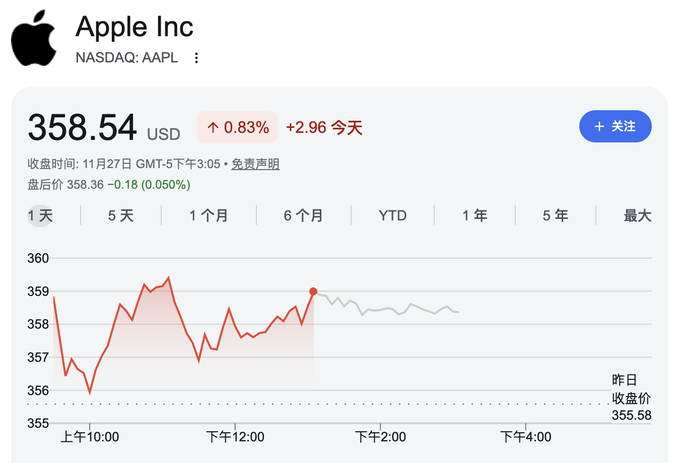
Apple's stock price closed up 0.83% on Friday.
OpenAI Counterclaim: Apple "Threatens" Joint Suppliers
OpenAI alleges in the lawsuit that Apple uses its 'size and wealth to hinder competition,' with specific tactics including exerting pressure on suppliers that also serve OpenAI, employing 'coercion and threats.'
The background of this accusation is that: OpenAI spent $6.4 billion last May to acquire the design studio io led by former Apple Chief Designer Sir Jony Ive, and is currently preparing to launch a series of new personal smart devices.
According to OpenAI, these products are expected to "surpass Apple in areas that Apple considers its own territory."
For a long time, Apple has consolidated its competitive advantage by leveraging its control over the supply chain—by paying in advance for key components and manufacturing capacity to ensure that its products are among the first to receive the latest chips. However, OpenAI accuses Apple of going too far this time, using its influence over the supply chain to directly suppress competitors.
Employee turnover has become the core of the dispute between the two parties.
Another main thread of this legal battle is the mutual accusations between the two parties regarding former employees who have left the company.
In July of this year, Apple filed a lawsuit, accusing several former employees—including the current Chief Hardware Officer OpenAI, Tang Tan—of disclosing confidential information related to Apple's product development and supply chain to their new employers. Apple also accused another former engineer of using a "vulnerability" in the company's network storage system to steal confidential files after leaving the company.
OpenAI denied in August of stealing Apple's trade secrets and characterized Apple's lawsuit as a means to prevent it from recruiting talent.
In the counterclaim on Friday, OpenAI directed its criticism at Apple's internal management practices, accusing Apple of encouraging employees to store company documents on personal devices and personal cloud storage accounts, thereby laying the groundwork for potential legal liabilities in the future.
The complaint quotes a rather provocative statement: "Apple has set a clever trap for its employees. Those smart young people thought they were going to work in Cupertino, only to find out they had joined a 'California hotel' – you can check out at any time, but you can never leave."
OpenAI also alleged that a former employee who previously worked at OpenAI and later returned to Apple disclosed OpenAI's product plans and supplier information to Apple.
Former partners, now direct competitors
This lawsuit marks a fundamental shift in the relationship between the two companies.
Two years ago, the cooperation agreement between Apple and OpenAI was regarded as an important milestone in the integration of AI with consumer electronics. However, with OpenAI directly entering the hardware sector by acquiring io, the two parties have evolved from partners to direct competitors.
The personal smart device to be launched soon, OpenAI, will directly target the core market on which Apple relies for its success.
In this context, the competition for supply chain resources, the flow of talent, and the ownership of trade secrets have all become key battlegrounds in the battle between the two parties. The ultimate outcome of this legal battle may significantly influence the competitive order in the new hardware arena of AI.