

Adam Lynch, the head of global stock research at AXA Financial, recently discussed the company's approach to allocating assets in crypto. According to him, Bitcoin and Ethereum are more suitable as core components of a portfolio, while Solana, XRP, and Hyperliquid are considered riskier assets with higher volatility.
AXA Financial classifies assets into five categories
Lynch defines Bitcoin as a traditional hedging asset to counter the devaluation of fiat currencies. Ethereum, on the other hand, is seen by him as an asset that possesses both functionality and this narrative. As for Solana, XRP, and Hyperliquid, he categorizes them as higher-risk investments, believing they are more suitable for pairing with mainstream assets rather than replacing Bitcoin or Ethereum.
AXA Financial also confirmed that it is incorporating Solana, Avalanche, and Chainlink into its cryptocurrency trading platform, expanding on the range of services it previously offered, which were limited to Bitcoin and Ethereum. This means that the list of tradable crypto assets available to its customers continues to grow.
Goldman Sachs reveals a position of $88 million
The article mentions that, according to publicly disclosed documents, Goldman Sachs is currently the largest holder of the spot Solana ETF among those that have disclosed their positions, with an associated exposure of about 88 million US dollars. Since not all institutions are required to disclose their positions, Wall Street may have a larger actual allocation of Solana than what is currently visible.
As previously mentioned, Bitcoin, Ethereum, and Zcash may be more likely to benefit from the "currency devaluation trading" logic. The backdrop is that the scale of U.S. national debt has exceeded 40 trillion dollars, and the fiscal deficit continues to persist.
In the next six years, nearly 20 million SOL will be issued less.
In addition to institutional configurations, changes in supply also occurred within the Solana network itself. Solana Verifiers passed a proposal to increase the network's deflation rate to 30%. In the final stages of the voting, the proportion of affirmative votes exceeded 66.6%, and the proposal was ultimately approved.
According to the text, this adjustment is expected to reduce the planned issuance of nearly 20 million SOL over the next six years, which is valued at about $1.4 billion based on current estimates. A slowdown in the rate at which new coins enter the circulation market is generally seen by the market as a change that is more favorable for long-term valuation.
Bitcoin falls below $77,000
However, the expansion of institutional configurations and the tightening of supply have not changed the short-term market's sensitivity to macroeconomic signals. The article states that Bitcoin once fell below $77,000 on Friday due to Federal Reserve Chairman Kevin Warsh sending hawkish signals during his speech at Jackson Hole, mentioning the possibility of interest rate hikes.
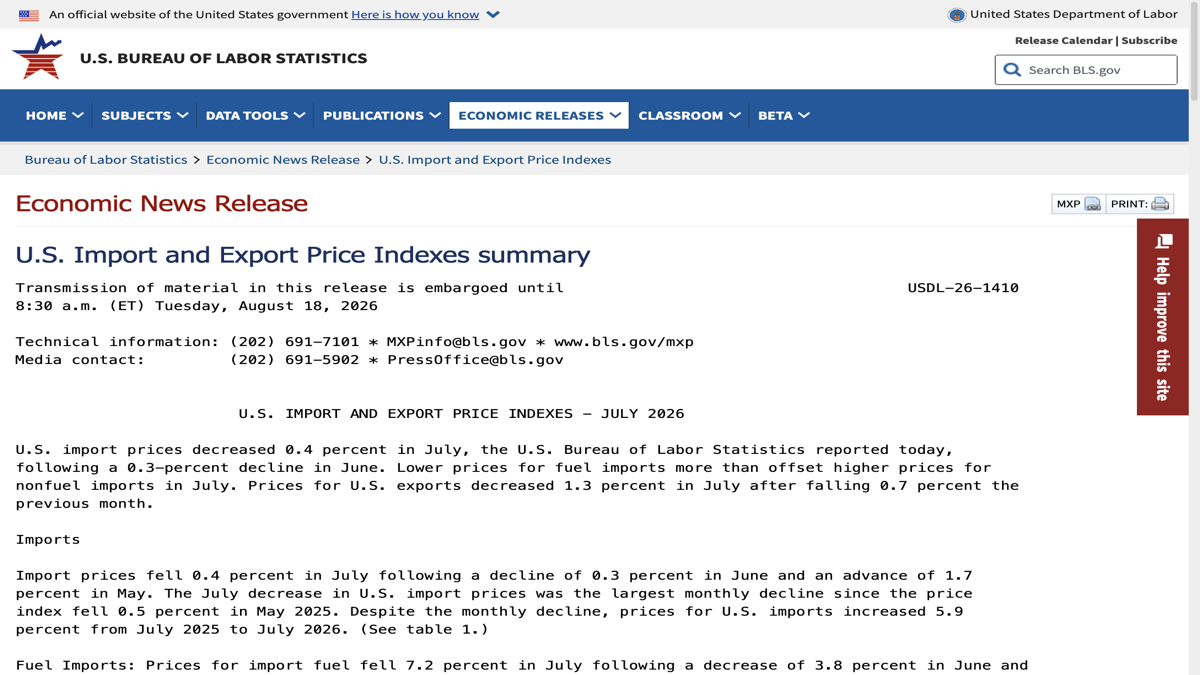
It is also mentioned in the text that U.S. inflation has been above the Federal Reserve's target of 2% for 65 consecutive months, which also makes the market cautious about the path of interest rate cuts. Overall, institutional participation and infrastructure development are still underway, but short-term price fluctuations are still dominated by interest rate expectations.