

This is the Morning Squawk communication from CNBC. Click here to subscribe and receive future issues in your email.
Happy Monday. If you've already started looking for flight tickets for the holiday season, don't expect to see a significant drop in prices.
After a divergent trend on Wall Street last week, U.S. stock index futures saw little change this morning.
Here are five things investors need to know before the start of trading days:
Fuel concerns are intensifying
Recently, more oil tankers in the Middle East have been attacked, while Iran refuses to make concessions on the conditions for reopening the Strait of Hormuz. Over the past few weeks, vessels passing through this waterway have continuously come under attack, leading investors to doubt that global oil trade will be able to recover in the short term.
What needs to be understood is:
- The UK Maritime Trade Operations Centre stated that at least two vessels in the waters near Oman and Iran were hit by unidentified flying objects, with one incident occurring on Friday and another on Sunday.
- With the war in Iran and Ukraine's attacks on Russian refineries causing a fuel supply crisis, the G7 agreed on Friday to "substantially" release diesel reserves in order to curb rising fuel costs.
- Meanwhile, OPEC and yesterday agreed to maintain the oil production target for November unchanged.
- After G7 announced the aforementioned measures, oil prices fell on Friday, recording a weekly decline. There were no significant changes in Brent crude and US crude this morning, with the former still above $100 per barrel.
- Despite the decline in oil prices and the rebound in the stock market on Friday, the Dow Jones Industrial Average and the S&P 500 index still closed lower last week.
- Click here to view real-time market updates.
2. No longer popular
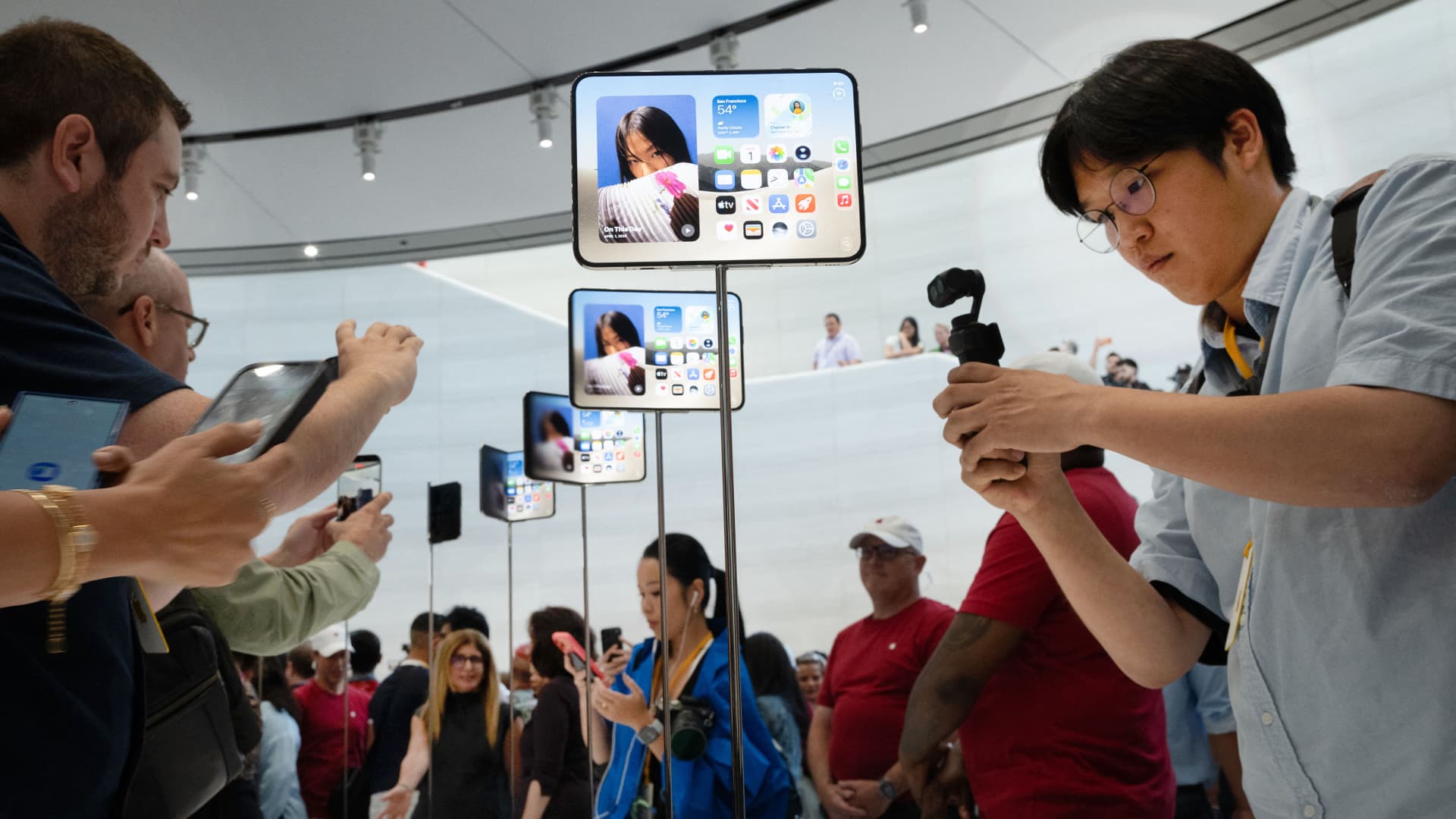
Large technology companies have been betting on artificial intelligence-driven wearable devices, such as glasses and rings, in an attempt to make a mark in the consumer electronics sector. However, for some users, this type of technology is no longer considered fashionable.
According to a report from Samantha Subin of CNBC, smart products that are capable of covert recording or videography are increasingly facing privacy concerns. For example, some social media users refer to certain smart glasses of Meta as "perverted glasses" because some people have reported being photographed and videotaped without their permission.
Last week, the wearable device market faced another setback as smart ring manufacturer Oura postponed the launch of IPO due to "uncertainties in the IPO market." However, some analysts are skeptical about whether this is the real reason. Moor Insights & Strategy's chief analyst, Anshel Sag, said, "I truly believe that there are other factors that led them to withdraw IPO; I don't think it's due to market reasons. I just can't yet determine exactly what they are."
3. Family business
Over the past few years, Chick-fil-A has expanded its business territory to areas far from its base in the southeastern United States. However, CEO Andrew Cathy is working hard to ensure that this rapidly growing fast-food chain maintains its family-owned enterprise nature.
Five years ago, Cathy, who took over from his father, told CNBC: "We will reflect on things related to our purpose and mission; those will not change, but everything else must be able to evolve and change." For example, he stated that Chick-fil-A would not use artificial intelligence in the drive-through lanes, and emphasized that while competitors adopted new technologies, the company would stick to the principle of "human-to-human" service.
According to a report from Amelia Lucas of CNBC, this unlisted company has no plans to go public or attract external investment. Cathy stated that Chick-fil-A, headquartered in Atlanta, has had a "not bad year," despite competitors reporting weak passenger flow trends.
4. Betting
Sports betting is becoming increasingly popular in Gen Z. Financial and mental health experts are sounding the alarm.
A survey released in August showed that about two-thirds of Gen Z investors participate in sports betting. Another survey found that this group is more likely to view sports betting as a form of investment, despite the fact that ordinary users on sports betting platforms or in the prediction market generally lose money. This can lead to financial consequences, and for some, it may also trigger addiction issues when trying to make up for losses.
Meanwhile, new player in the prediction market, Novig, attributes its controversial “Just Sports” advertising campaign to significant growth, which was led by Sydney Sweeney. Co-founder Jacob Fortinsky told CNBC that within 20 days before and after the campaign, the trading volume of Novig nearly doubled, and the number of users making their first deposits increased by over 200%.
5. Style shift
As companies geared towards consumers seek to enhance their interaction with their user bases, brands ranging from E.l.f to Wendy and then to Gap are placing emphasis on original music.
E.l.f released an album last month titled “Mirror Mix”, while Wendy launched an album titled “Songs to Listen to in a Wendy’s Parking Lot”. In terms of Gap, they collaborated with the male group Just Your Type under their new “fashiontainment” platform.
As written by Catriona Marangi of CNBC, music is a marketing strategy that caters to Gen Z consumers who desire their brands to be culturally relevant. This becomes even more important as the purchasing power of young consumers continues to grow.
Daily Dividends
The following are the matters of concern for us this week:
- Tuesday: Paramount Skydance - Warner Bros. The merger of Discovery is expected to be completed.
- Wednesday: Levi Strauss Financial Reports (after market); Fed Meeting Minutes
- Thursday: Peps Token Issuance Report (Pre-market)
- Friday: Delta Air Lines Financial Reports (pre-market); October Consumer Confidence Data
— CNBC's Azhar Sukri, Terri Cullen, Sam Meredith, Spencer Kimball, Samantha Subin, Luke Fountain, Amelia Lucas, Davis Giangiulio, Ananya Chetia, and Catriona Marangi have contributed to this report.
Caleigh Keating assisted in producing this newsletter. Josephine Rozzelle edited the content of this issue.