Russia to ban P2P cryptocurrency transactions and restrict self-hosted transfers
Cointelegraph
38m ago
Ai Focus
Russia plans to ban direct P2P cryptocurrency transactions between individuals starting from July 1, 2027, requiring such transactions to be conducted through authorized intermediaries. The Central Bank of Russia has also clarified that individuals are not allowed to transfer crypto assets from digital accounts to their own non-hosted or self-hosted wallets. Meanwhile, Russia is expanding the regulated crypto market and has approved the Russian Federal Savings Bank to provide crypto exchange services.
Helpful
No.Help

Russia plans to ban direct peer-to-peer ( P2P ) cryptocurrency transactions starting from July 1, 2027. Individuals conducting such transactions will need to use authorized intermediaries.

The Russian Central Bank explained in its updated guidelines on Monday that this restriction will end individuals' ability to directly exchange crypto assets without the need for intermediaries. The regulatory authority confirmed that such transactions will only be permitted until July 1, 2027.

Regulators also clarified that individuals are not allowed to transfer crypto assets from their digital accounts to their own non-hosted, or self-hosted, wallets.

At the time this measure was introduced, Russia was expanding its regulated crypto market. On Monday, the Russian Central Bank authorized Russia's largest bank, Sberbank of Russia ( Sberbank ), to provide crypto exchange services, following its prior approval as a digital asset custodian institution.

This approval comes shortly after Russia's new cryptocurrency regulations. The new rules came into effect on September 1st and bring exchange operators and custodian institutions under the supervision of the central bank. Russia continues to prohibit the use of cryptocurrencies for purchasing goods and services.

Industry executives previously told Cointelegraph that it might be difficult to implement restrictions on P2P cryptocurrency transactions and non-hosted wallets. The CEO of Jan3, Samson Mow, stated that compared to centralized platforms, P2P transaction pairs are more resilient to regulatory crackdowns; meanwhile, an executive from SatoshiLabs, Stepan Uherik, mentioned that if wallet applications are banned, hardware wallets and desktop wallets would not be affected.

Relevant reports:Russia Approves First Batch of Crypto Exchanges and Custody Institutions Under New Law

Tip
$0
Like
0
Save
0
Views 14
HQYC reminds readers to view blockchain rationally, stay aware of risks, and beware of virtual token issuance and speculation. All content on this site represents market information or related viewpoints only and does not constitute any form of investment advice. If you find sensitive content, please click“Report”,and we will handle it promptly。
Submit
Comment 0
Hot
Latest
No comments yet. Be the first!
Related
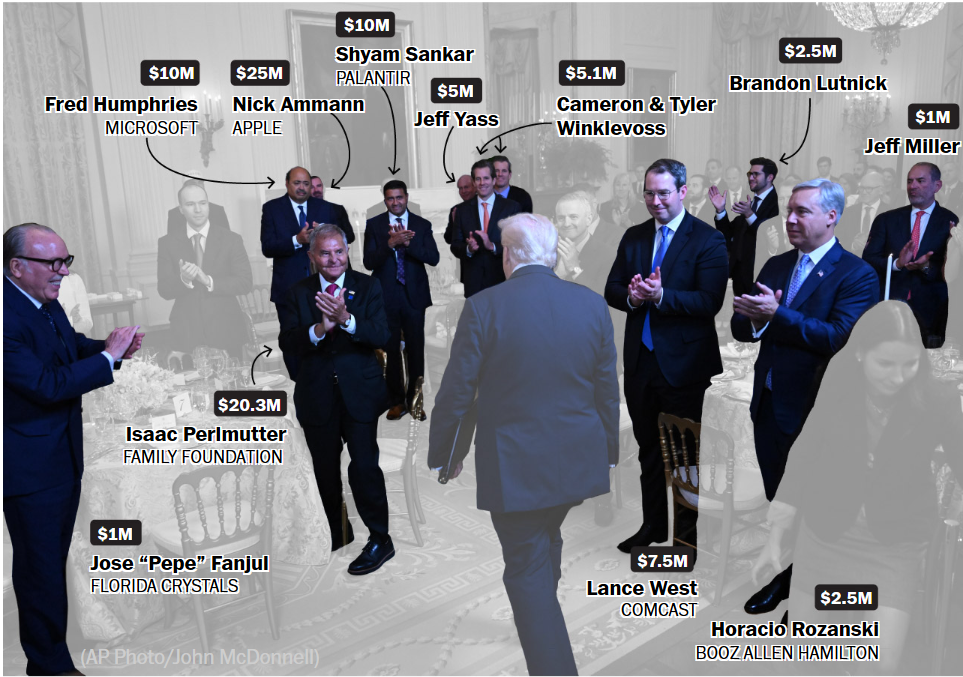
Trump's White House banquet hall donation list exposed: Apple and NVIDIA each pledged $25 million
A internal White House record disclosed by The Washington Post shows that as of the end of September, there were a total of 67 donations of over $10,000 recorded for Trump's White House banquet hall project, with a total private donation commitment of about $333 million. Both NVIDIA and Apple pledged to donate $25 million each, which is the highest amount for a single donation; the record also indicates that at least $77 million came from donors who requested anonymity.
The Block
·2026-10-15 23:39:10
3
Tesla confirms that Autopilot / FSD was in active mode at the time of the accident; the vehicle crossed the central divider, resulting in one death.
According to Electrek, a report submitted by Tesla to the National Highway Traffic Safety Administration (NHTSA) indicates that a 2021 model Model Y had its driving assistance system in a " Verified Engaged " state at the time of an accident on Route in New Jersey. The vehicle crossed the central divider of a grassy area, hit a tree, and then entered the oncoming lane, where it collided head-on with another SUV. The driver of the SUV, Phillip Eastman, died as a result of the accident.
The Block
·2026-10-15 23:39:06
4
AI Chip stocks lost $1.64 trillion in value over six trading days; NVIDIA, AMD, and Micron face additional selling pressure
U.S. semiconductor stocks lost approximately $1.64 trillion in market value over six trading days. Concerns about spending on artificial intelligence infrastructure, corporate debt, and high interest rates triggered one of the most severe sell-offs in the industry in 2026. Although financial reports from companies such as TSMC still indicate strong demand for AI, investors are re-evaluating whether high AI investments will yield sufficient returns.
Coinpaper
·2026-10-15 23:18:17
13
Russia to Ban Peer-to-Peer Cryptocurrency Transactions: What Does This Mean for Traders?
Russia confirms that starting from July 1, 2027, direct peer-to-peer cryptocurrency transactions between individuals will be prohibited. Residents will be required to conduct transactions through approved intermediaries. The Central Bank of Russia also made it clear that individuals cannot transfer cryptocurrencies from regulated digital accounts to their own unmanaged wallets; however, under qualified and limited conditions, they can still buy and sell eligible crypto assets through approved exchanges and brokers.
crypto.news
·2026-10-15 23:18:15
13
MassPay Records a Third Consecutive Quarter of Growth: Q3 Achieves 510% Increase in Payment Disbursements and 112% Increase in Revenue
MassPay indicates that in the third quarter of 2026, its payment disbursement volume increased by 510% compared to the same period in 2025, and total revenue grew by 112% year-on-year, marking the third consecutive record-breaking quarter for the company. The company also stated that Q3 launched the American payment product MassPay Collect, launched Cash App payments, and expanded its American payment channels through cooperation with Bottomline.
PR Newswire
·2026-10-15 23:18:14
10
View More