The South Korean central bank has launched a review of risks related to cryptocurrencies, covering 31 financial institutions, to inquire how the suspension of exchanges, the decline in digital asset prices, and potential losses of other institutions may affect their operations.
According to Yonhap News, the investigation began on October 23 and covered 18 banks and 13 securities companies, including South Korea's five major banks. The questionnaire focused on the participation of these institutions in the virtual asset market, the scale of funds invested in related businesses, and the existing potential loss management measures.
This is considered to be the first public report by the South Korean central bank on an investigation specifically targeting financial institutions' participation in the cryptocurrency industry. Institutions are required to submit their responses by November 4th.
The survey covered 31 financial institutions.
This survey covers South Korea's five major banks – KB KBK, Shinhan Bank, Hana Bank, Woori Bank, and NH Nonghyup Bank – as well as 13 securities companies and other lending institutions.
Financial institutions are required to provide information such as their departments responsible for cryptocurrencies, staffing arrangements, and budgets.
The questionnaire also requires an explanation of the existing digital asset business, planned projects, and the reasons why the company is considering entering that market.
Another part of the content involves investments in domestic and international cryptocurrency companies, as well as the amounts that institutions have already invested.
According to a report by the Korean Herald, officials wish to understand how much exposure traditional financial companies have accumulated as virtual assets are gradually incorporated into business plans.
The investigation also requires the company to explain how it identifies risks related to cryptocurrencies, as well as what management arrangements have been put in place.
A South Korean central bank official stated that despite legislative progress being slower than expected, financial companies are still preparing for opportunities in digital assets.
"The purpose is to sort out the current situation and to understand as early as possible the possible changes that may occur in the future," said this official.
It is reported that the Bank of Korea intends to use the responses as internal reference material for studying the development of the financial sector.
Exchange hackers and market crashes are included in risk scenarios
One of the questions asked what impact financial institutions would face if South Korea's largest cryptocurrency exchange were to temporarily cease operations due to a major security vulnerability.
The questionnaire did not specifically name any exchanges, nor did it indicate that such suspensions were expected to occur.
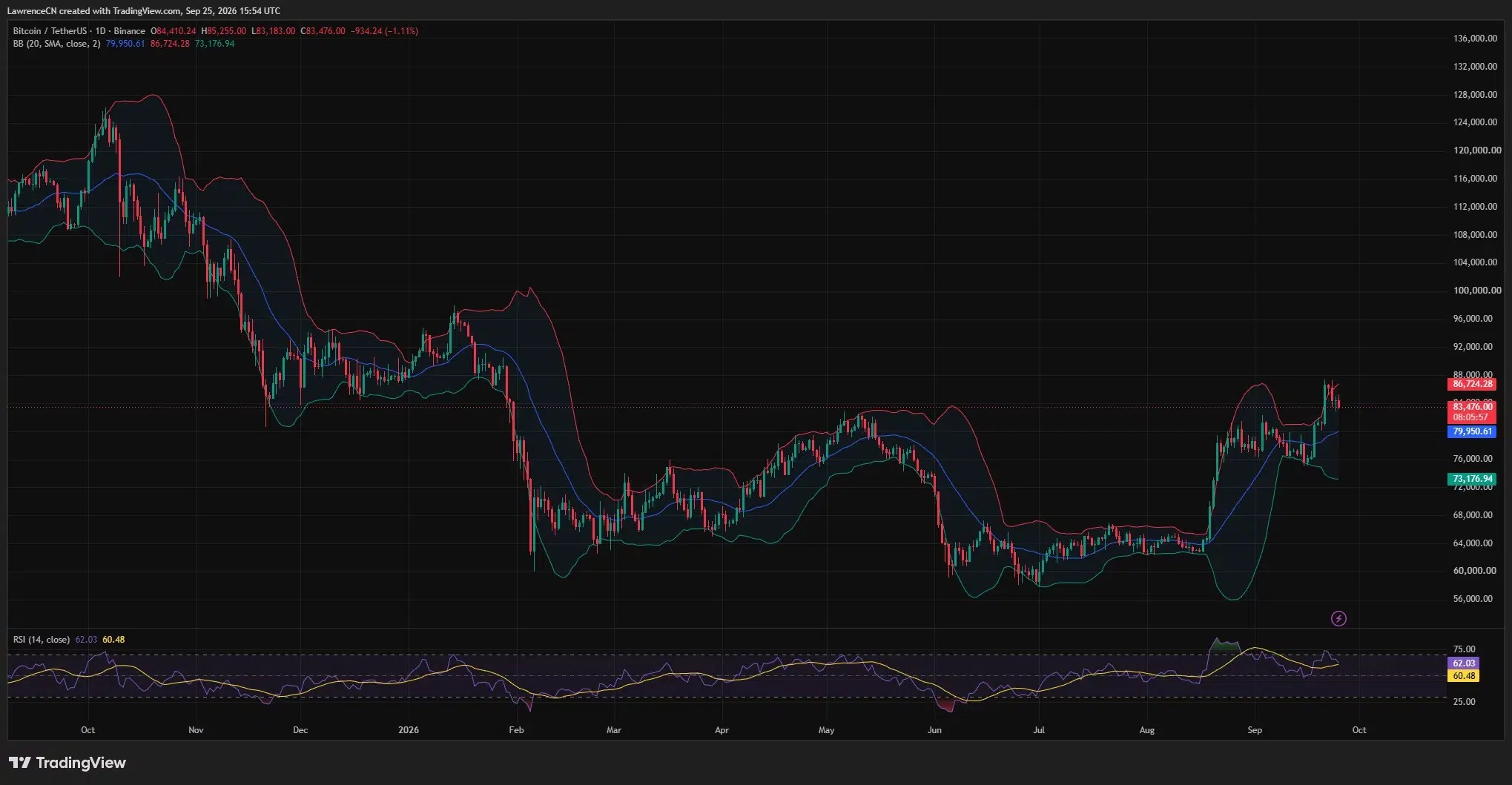
Another scenario considers a significant drop in the prices of Bitcoin and other cryptocurrencies, followed by a long-term reduction in trading activity.
Companies must assess how this environment will affect their business, as well as their existing exposure to digital asset business.
The Bank of Korea is still studying whether the losses of one financial institution will pose problems for other institutions involved in cryptocurrency-related activities.
These issues were prepared before Binance disclosed a $6.3 billion security vulnerability on October 29th.
This incident subsequently once again drew external attention to the security of exchanges and the potential financial consequences of major cryptocurrency thefts.
However, the investigation launched by the Bank of Korea on October 23 was six days earlier than that attack, and it was not announced as a response to the Binance incident.
In South Korea, concerns about cybersecurity have led to regulatory scrutiny following multiple incidents involving banks, securities companies, and cryptocurrency firms.
Local regulatory authorities reported that among the 555 financial companies reviewed in October, 130 had security vulnerabilities.
Korean Bank continues to advance stablecoin services
As this investigation unfolds, several major Korean financial institutions are also exploring stablecoins and blockchain-based payment services.
In September, Kakao Pay and KakaoBank signed a stablecoin infrastructure agreement with Fireblocks.
Both parties agreed to explore digital asset distribution arrangements and conduct technical tests, but did not announce the launch of a commercial stablecoin.
In addition, Gwangju Bank and Toss completed stablecoin payment tests involving QR codes and linked payment applications in October.
The experiment allows participants to transfer stablecoins between digital wallets through the payment interfaces of banks and merchants.
International payment company MoonPay entered the Korean market in September and announced plans to collaborate with local financial institutions.
According to previous reports by crypto.news, MoonPay's expansion plans in South Korea include potential collaborations with Woori Bank, KB Financial Group, and KakaoBank.
Its plans cover stablecoin payments, remittances, and digital asset infrastructure, but they must comply with South Korea's evolving regulatory requirements.
At the same time, the disagreement over whether banks or non-bank companies should issue Korean won-denominated stablecoins has complicated legislative discussions.
The South Korean central bank has previously warned about the linkage between cryptocurrencies and financial markets.
The Bank of Korea previously examined the volatility in the cryptocurrency market in its financial stability report in June.
According to a report by the Korean Herald on this report, the central bank found that during periods of financial stress, there is a stronger correlation between cryptocurrencies and the stock market.
The report mentions the market conditions during the COVID-19 pandemic and in the context of global interest rate hikes in 2022.
The report also indicates that after the trading of spot Bitcoin ETF in the United States began in 2024, this correlation remained at a high level.
In another report from November 2025, the Bank of Korea warned that stablecoins denominated in the Korean won could pose risks such as a shortage of collateral, short-term interest rate fluctuations, and financial market pressures.
Officials stated that existing regulatory reports provide information on traditional banking services, but there are still gaps regarding the digital asset business of financial institutions.
The Bank of Korea expects to collect the completed questionnaires from these 31 institutions by Wednesday, November 4th.