












Key Points
- The S&P 500 and the Nasdaq opened down by 0.9% and 1.43% respectively.
- NVIDIA fell back after a record rebound on Monday
- Dell's financial reports and inflation data remain key catalysts
U.S. stock markets opened lower on Tuesday (November 24), with technology and artificial intelligence companies giving back some of the record gains seen on Monday. Investors are assessing the renewed uncertainty among companies, the possibility of the U.S. raising tariffs, and the upcoming inflation data.
The S&P 500 index opened down 0.90% at 7,172.33 points; the Nasdaq Composite Index fell 1.43% to 23,745.86 points; the Dow Jones Industrial Average declined 0.20% to 49,494.60 points.
Previously, on Monday, there was a historic rebound in the market, with the S&P 500 and the Nasdaq rising by 4.73% and 6.51% respectively, achieving their best single-day performance since April 2025.
NVIDIA and Anthropic drive AI shares to weaken again
NVIDIA fell by about 5.5% in the early session, but on Monday, driven by the news of Jensen Huang being reinstated as CEO, its stock price soared by 31.48%.
This decline reflects that investors are still assessing the corporate governance risks surrounding this semiconductor giant, as well as broader concerns regarding the sustainability of infrastructure spending for AI.
At the same time, the stock price of Anthropic fell below its IPO price of $83, erasing the premium that was formed during its listing on NASDAQ last week.
AMD, Micron, CoreWeave, and Nebius also recorded significant declines in pre-market trading, reflecting the ongoing uncertainties in the AI infrastructure sector.
This round of weakening occurred after the sell-off of tech stocks last week; that sell-off had pushed the main U.S. stock indices into a correction zone.
Trump's tariffs and concerns about Federal Reserve interest rates return to the forefront of attention
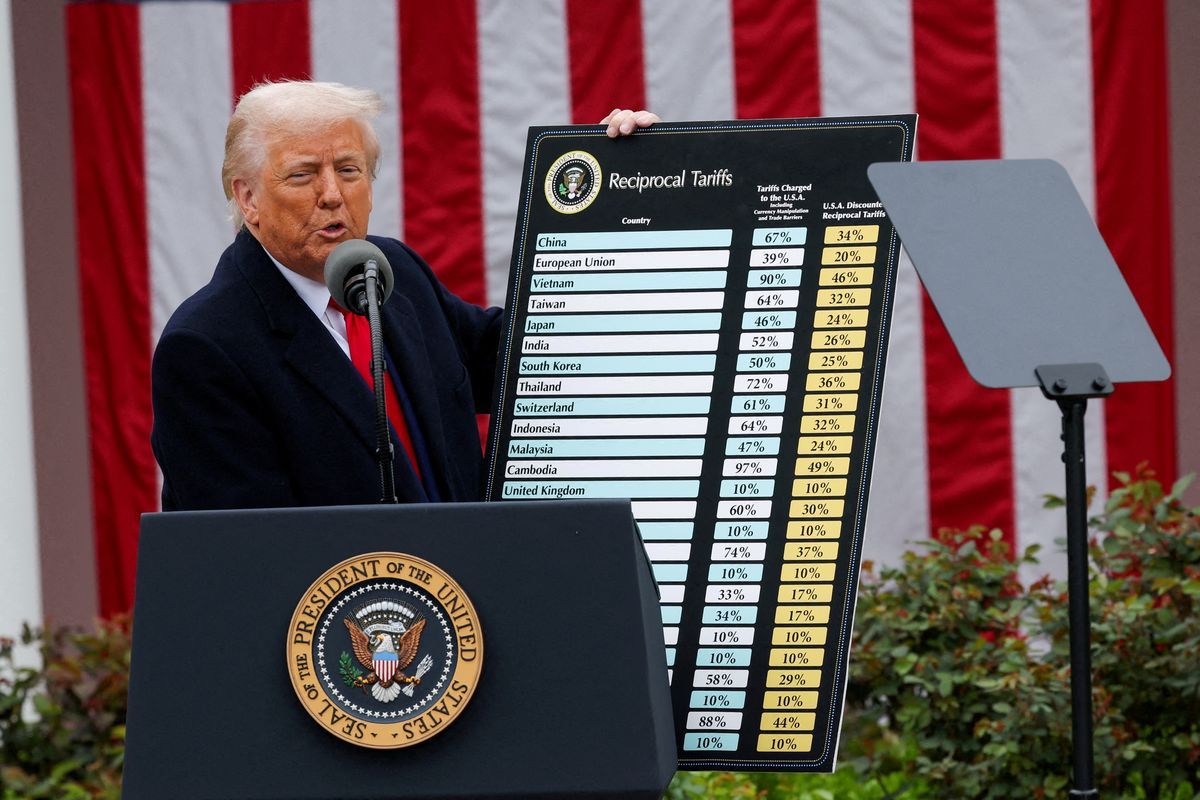
The Trump administration is reportedly preparing to impose additional tariffs on China, the European Union, and other major trading partners, potentially raising import rates back to 2025 levels.
As this prospect emerges, the Federal Reserve still faces ongoing inflationary pressures. Additional tariffs may push up the operating costs of American businesses, especially those that are highly dependent on international supply chains.
Meanwhile, the US dollar index has risen to a 20-month high, and the yield on benchmark US Treasury bonds remains close to 5%.
Higher borrowing costs continue to put pressure on growth stocks, as the valuation of such stocks relies heavily on expectations for future earnings.
The inflation report for October PCE released on Wednesday may provide new clues as to whether the Federal Reserve will raise interest rates at its December meeting.
Dell's financial report may determine the next move for AI stock
Dell Technologies (New York Stock Exchange ticker: DELL) plans to announce its third-quarter results after the close on Tuesday.
Investors will focus on its AI server sales, order backlogs, profit margins, and forward guidance. The financial report results may further illustrate whether the continuously increasing infrastructure expenditures can still be translated into sustainable revenue and profitability.
This announcement comes shortly after the strong rebound of Monday for the AI infrastructure companies; many of these companies experienced significant declines in November.