According to technology media Wccftech, today it has been reported that as TSMC is overwhelmed by a surge in chip orders, Samsung is becoming a potential supplier for Amazon and Google's next generation of ARM servers CPU.
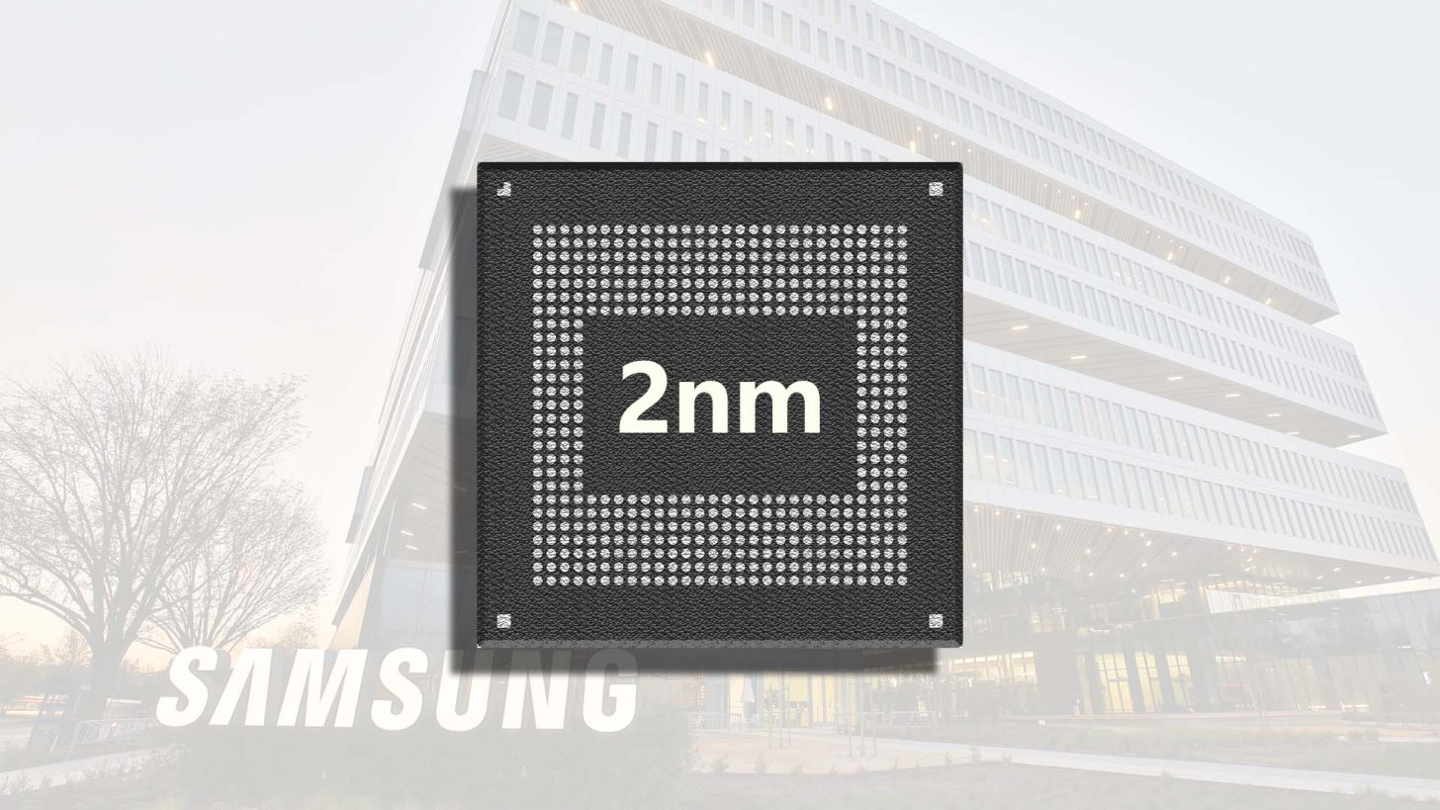
It is reported that both Samsung and Google are seeking to diversify their supply chains for custom processors for their own servers. Samsung hopes to secure foundry orders for two chips, Graviton 6 and Axion 3, using its own 2nm manufacturing process. These two processors are expected to be launched in the second half of 2027, and Samsung is accelerating the optimization of its 2nm process, particularly for high-performance computing (note: HPC) workloads.
In terms of mass production timelines, Amazon and Google are likely to rely on TSMC to fulfill their initial orders for the time being. Compared to the existing Graviton, the computing performance of Graviton can be increased by up to 25%.
Electronic Design Automation ( EDA ) company Cadence confirmed in September of this year that Amazon's chip design department Annapurna Labs is using its tools to design the next generation of Graviton processors. Samsung has been maintaining close cooperation with Cadence in the field of advanced manufacturing processes to ensure that ARM architecture server chips are ready for design. The partnership between Amazon and Cadence, as well as the technical collaboration between Samsung and Cadence, may become important factors in Amazon's future choice of Samsung as a manufacturing partner.
The main reason driving Amazon and Google to look for a second contract manufacturer is the rapid growth in demand for servers CPU, coupled with the increasingly severe production capacity bottlenecks at TSMC.
Research firm TrendForce has pointed out that the widespread adoption of Agentic AI workloads is changing the hardware configuration of data centers, reducing the typical ratio of 1:8 between traditional CPU and AI accelerators to a range of 1:1 to 1:2. At the same time, TSMC's advanced manufacturing capacity is also facing severe limitations. Industry estimates show that although TSMC expects to expand its 3nm production capacity by 40% next year, there will still be about 600,000 units of 3nm wafers in demand that cannot be met by 2026.
Samsung clearly hopes to seize this opportunity. A large number of orders will help significantly boost its revenue from the wafer foundry business. However, the biggest obstacle Samsung may currently face is how to stabilize the yield of its 2nm process. As we reported earlier this year, Samsung's yield for 2nm was around 60% at that time.