

Google has made another progress in its bid to acquire the old data of Spirit Airlines.
Consumer Privacy Ombudsman Lucy Thomson stated: 'The relevant parties have taken significant measures to protect the privacy of Spirit consumers' personal data.'
The document states that the relevant company has revised the scope of personal consumer data included in the sale, excluding passenger databases, and has hired a third party Tonic.ai to perform de-identification on data that may contain consumers' personal information, such as corporate emails.
The document also states: "These changes will significantly reduce the potential risk of harm faced by 97 million consumers who have provided personal data to Spirit for booking air travel," and adds that any risk of consumer privacy loss has been "eliminated or mitigated."
After Spirit Airlines ceased operations in May, Google won the auction for the company's data with a bid of $10 million. The sale is still subject to court approval. Google stated that this data will help improve its products and AI models.
Representatives of the unions for flight attendants and pilots, including those who worked at Spirit, have raised objections to this sale, claiming that it will undermine their privacy. Last week, the union representing pilots from American Airlines – which comprises about 700 pilots who previously worked at Spirit – also added their opposition in a document, stating that this sale could pose a threat to aviation safety.
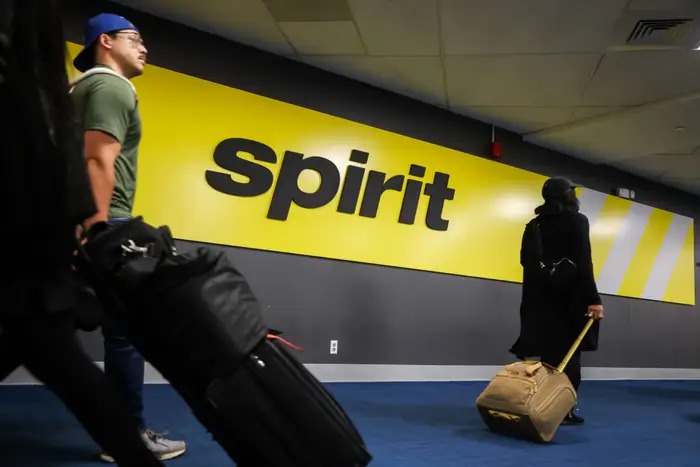
A representative of Spirit did not provide any further comments when asked by Business Insider. Google also did not respond to requests for comment. The company previously stated that the transaction would not contain any information that could identify individuals.
Google previously stated: "Google will not purchase any personal information from Spirit. This information will either be completely excluded or undergo de-identification by an independent third party before it is received by Google."
The ombudsman was appointed to assess the risks related to consumer privacy, as U.S. bankruptcy law provides consumer protection for data sales. The ombudsman stated that her review did not include an assessment of whether this sale posed any privacy risks to employees.
Previously, lawyers had informed Business Insider that this proposed sale serves as a reminder that, as an employee, your work data is generally not private, but rather belongs to the company.
The documents submitted on Monday also stated that if the court considers the bids from other data competitors—including AI, training companies Mercor, and Micro1—an additional review of consumer privacy issues would be required. The ombudsman specifically mentioned that she needs more information about a “supply chain security incident” that occurred with Mercor earlier this year.
Artificial Intelligence