Key Points
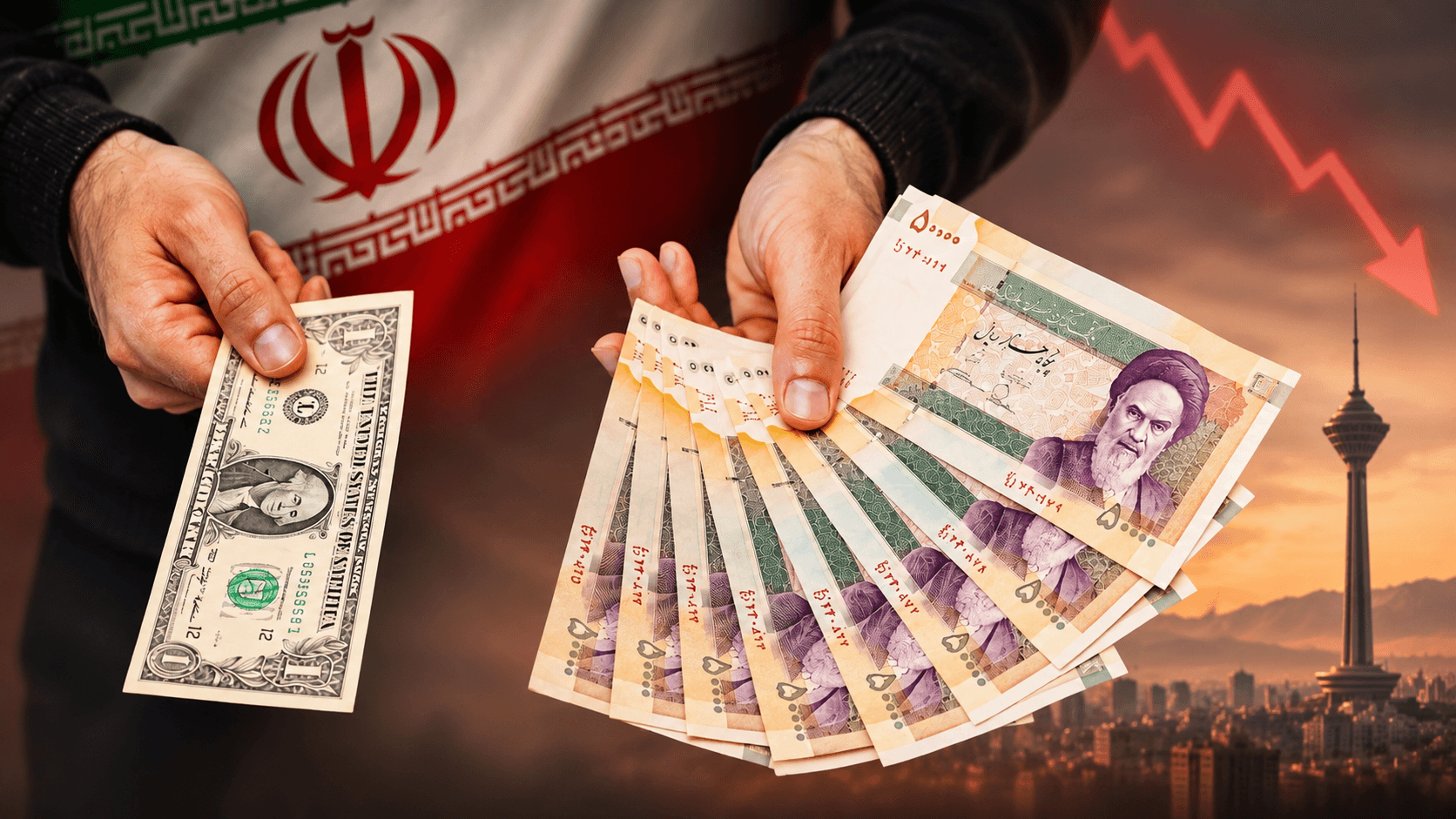
- On Sunday, November 29th, the Iranian currency once again fell to a historic low, with the US dollar breaking through 3 million rials for the first time in the open market.
- According to the currency tracking platform AlanChand, at 12:50 p.m. Tehran time, the US dollar was trading at 3,042,000 rials, representing a daily increase of 1.43%. The euro also strengthened against the Iranian currency, rising to 3,326,000 rials.
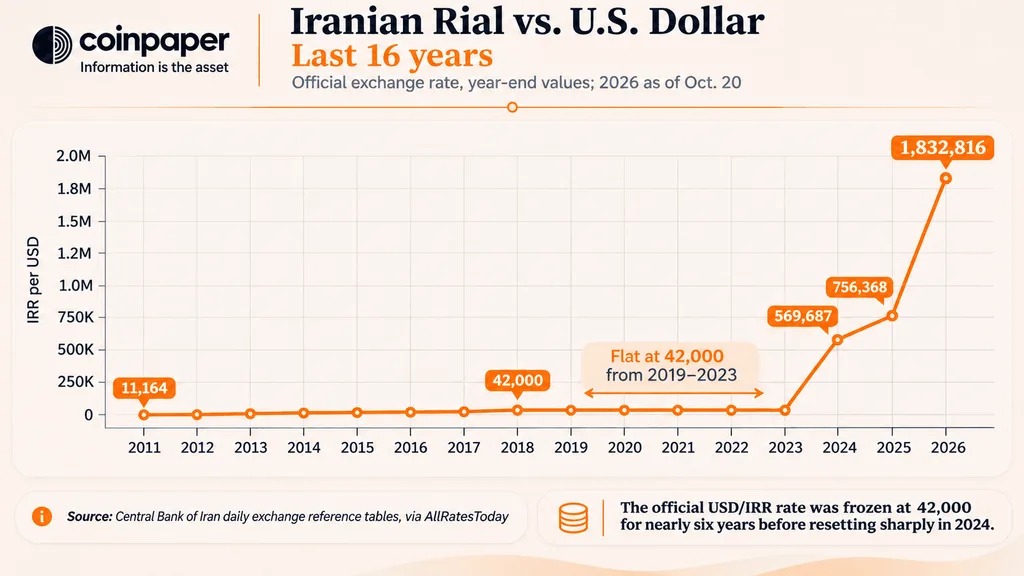
Since 2015, the Iranian rial has depreciated by nearly 99%.
In 2015, when Iran signed a nuclear agreement with major world powers, 1 US dollar was equivalent to about 32,000 Iranian rials. Today, purchasing the same amount of goods with 1 US dollar requires approximately 95 times as many Iranian rials.
In the past two years, the devaluation of the rial has accelerated significantly. The dollar surpassed 1 million rials in March 2025, 2 million rials in August 2026, and then broke through 3 million rials in November of this year.
The governor of Iran's Central Bank, Abdolnaser Hemmati, admitted that there has been a decline in oil revenues and difficulties in transferring foreign exchange into the country. However, he still stated that Iran possesses sufficient foreign exchange resources to fund necessary imports for several months.
In addition, Washington's attempts to disrupt Iran's international financial network have also put additional pressure on the exchange rate. On November 23, the U.S. Treasury Department announced new sanctions measures, expanding the crackdown on entities suspected of assisting in Iranian financial transactions.
These measures were introduced following previous restrictions imposed on shadow banking networks related to Iran.
Inflation reaches 85.8%, and purchasing power continues to be eroded.
The Central Bank of Iran released new inflation data on Sunday, showing that in the month ending November 21st of the Iranian calendar, urban consumer prices had risen by 85.8% year-on-year.
Among them, commodity prices rose by 118.3% year-on-year, and service prices increased by 54.2%. Monthly consumer inflation reached 4.6%, indicating that significant price pressures continue to persist.
Currency devaluation makes imported goods and production inputs more expensive when priced in the local currency. Enterprises facing higher costs may subsequently raise retail prices, further weakening the purchasing power of households whose wages are not keeping up with these increases.
The combination of persistent inflation and a weakening currency has in the past prompted Iranians to turn to other forms of value storage, including gold and stablecoins pegged to the US dollar.
Meanwhile, it is reported that Iran's largest cryptocurrency exchange, Nobitex, temporarily halted Tether trading after severe price fluctuations.
The platform has previously been subject to U.S. sanctions, which reflects Washington's increasingly stringent scrutiny of Iran's digital asset industry.
Unlike the rial, the USDT of Tether is designed to maintain a value close to 1 US dollar. Therefore, its domestic currency price can also provide another clue regarding the demand for US dollar-denominated assets within Iran.
The growing cryptocurrency activities in that country have attracted international regulatory attention, but stablecoins alone cannot address the economic conditions that have led to the devaluation of the rial.
Ethan Mercer
Ethan Mercer is a financial journalist who covers cryptocurrency, stocks, and the global economy. He studied economics and finance before turning to market reporting, with a particular focus on Bitcoin, stocks, monetary policy, and investor sentiment. His work primarily explains daily market fluctuations and the broader trends behind them.