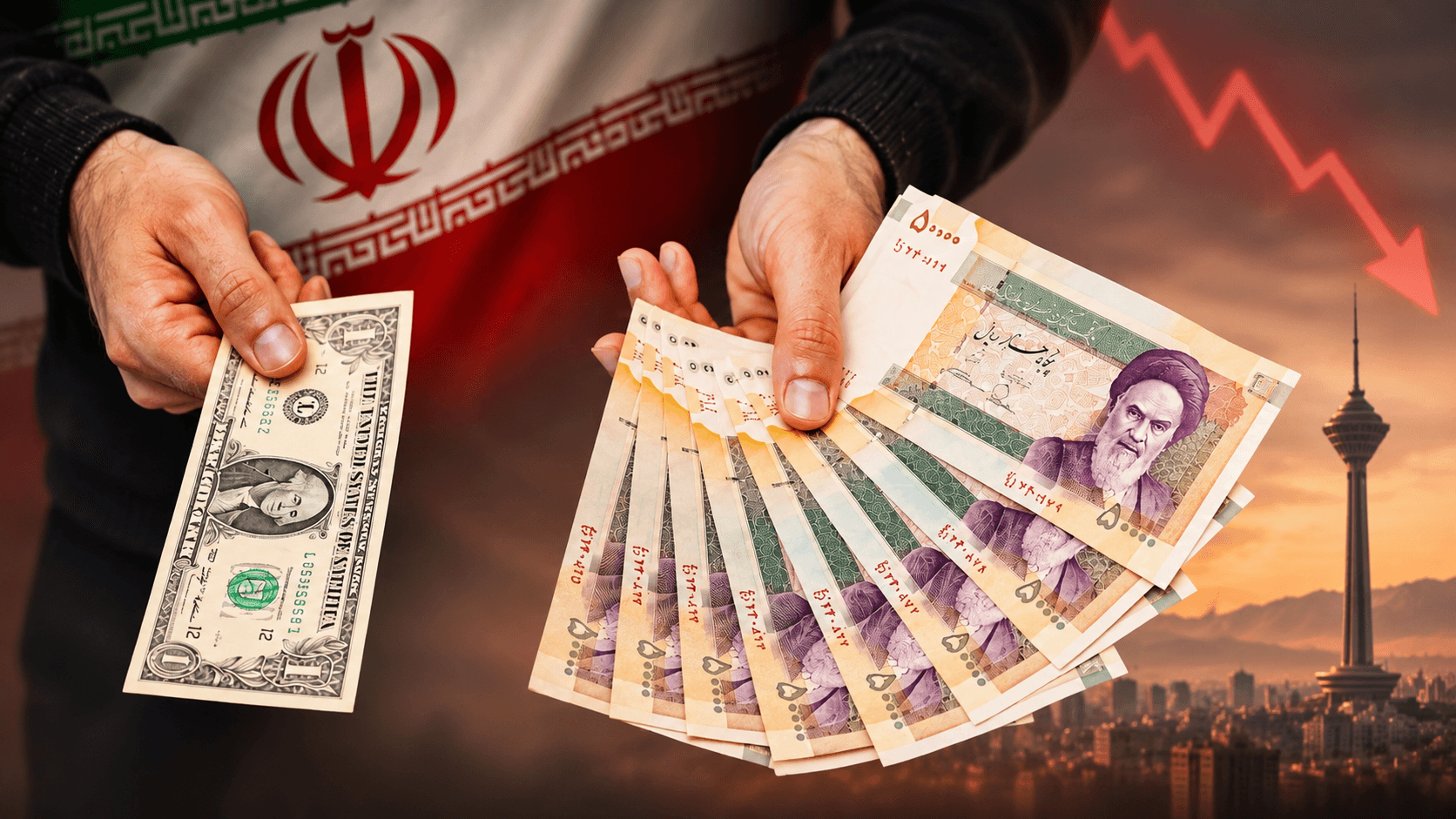


Crude oil prices tumbled significantly in November, as investors believed that the resumption of exports from the Middle East could lead to a surplus in supply for the first time since the outbreak of the Iran war.
International benchmark Brent crude oil futures have fallen by about 20%, after reaching a wartime high in late October, with contracts once touching $118 per barrel. US West Texas Intermediate (WTI) crude oil also fell by about 21% during the same period, after once rising above $104 per barrel. Last Friday, Brent crude oil closed at $95.44 per barrel, while WTI closed at $83.08 per barrel.
U.S. retail gasoline prices have dropped below $4 per gallon, and diesel prices have also fallen to below $6 per gallon.
In October, following the U.S. mid-term elections, investors considered the risk of a significant military escalation in the Persian Gulf region. However, since the Democratic Party eliminated the Republican Party's majority in Congress, U.S. President Donald Trump has not launched any new military strikes against Iran to date.
UBS strategist Giovanni Staunovo wrote in a report to clients that the selling off this month may have gone too far. Staunovo stated that the market is “too optimistic” about supply prospects. The analyst said, “The rebound in Gulf exports should not be mistaken for the oil market returning to normal.”
Vulnerable Surplus
The International Energy Agency ( IEA ) expects that an oversupply of crude oil will begin in the fourth quarter. This will mean that, nine months after the war in Iran triggered the largest disruption to oil market supply in history, the market is about to reach a major turning point.
Goldman Sachs expects that as Gulf oil-producing countries continue to adjust their supply chains in the context of the Middle East wars, there will be a surplus of crude oil of 2 million barrels per day by 2027. The commodity and shipping tracking agency Kpler predicts that the supply surplus will reach 3 million barrels per day next year.
Rapidan Energy George W. Bush, former President of the United States and energy advisor to Bob McNally, stated: "If the recovery in the Arabian Gulf region continues, we will face an oversupply."
However, the prediction of oversupply is based on the assumption that traffic in the Middle East region can continue to recover. IEA also warns that due to attacks on shipping that undermine maritime security, downside risks "still exist."
David Goldwyn, who once served as the Special Representative for International Energy Affairs at the U.S. Department of State during the Obama administration, said regarding this forecast of excess: "If pigs had wings, they would fly."
McNally indicates that it is more likely that, given the ongoing instability in the Gulf security situation, oil prices will remain volatile throughout the remainder of Trump's term in office. He said that during periods of relative calm, crude oil prices will trade between $70 and $80 per barrel; however, once conflicts escalate, oil prices could soar above $100 per barrel.
McNally said, "We believe that there will be more disruptions and more risks in the future, and these oversupply issues will not be resolved next year."
Trump recently told Fox News that he might launch new strikes against Iran after the New Year. This Obama administration official Goldwyn said that a major military escalation in the region would lead to a structural increase in oil prices. Iran is likely to retaliate against U.S. strikes by attacking ports, refineries, or processing facilities, he said.
Market Gap
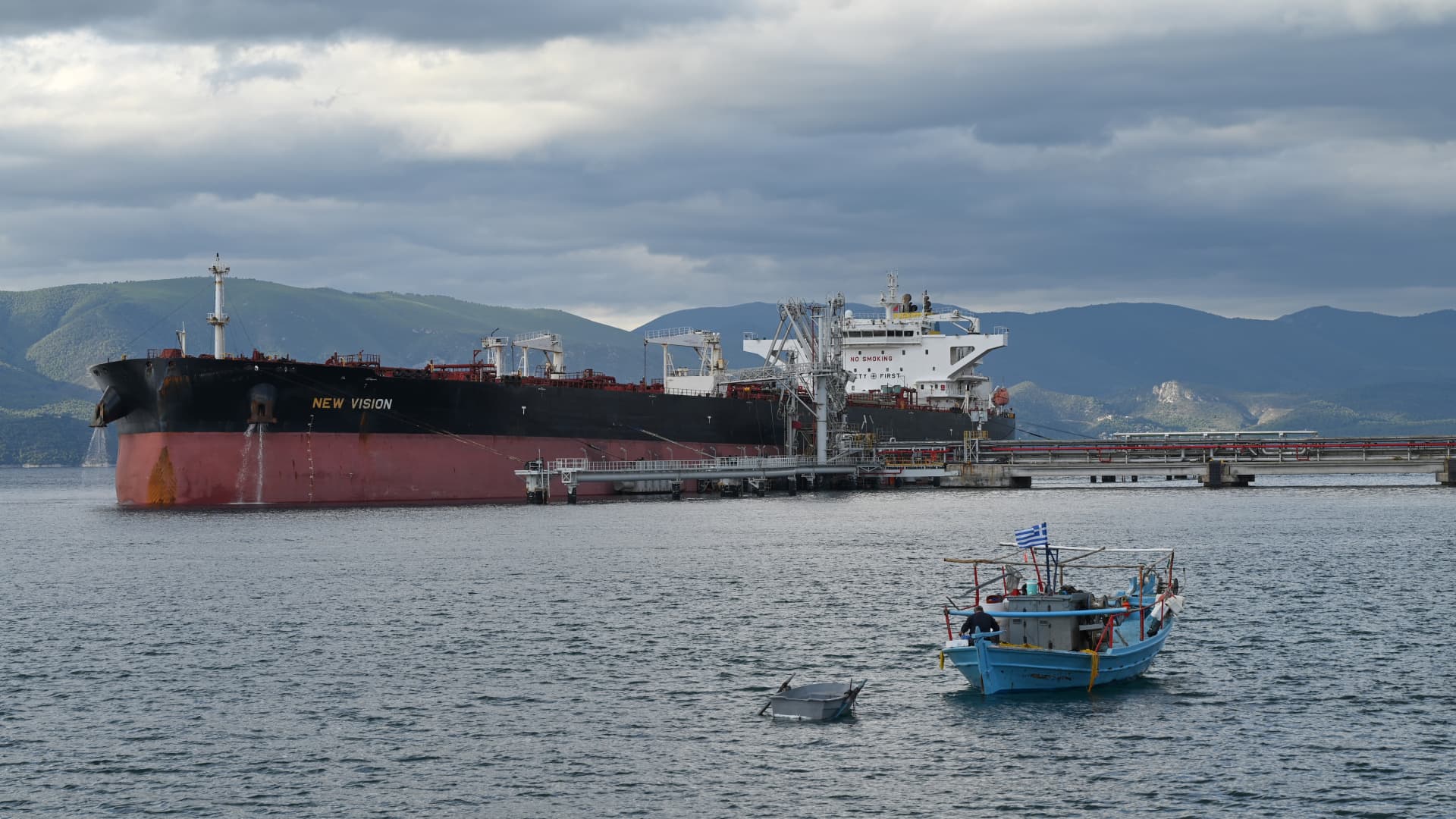
Since this summer, exports of crude oil from the Middle East have rebounded, but they have declined in recent weeks and are still far below pre-war levels, as oil tankers in and around the Strait of Hormuz are attacked almost daily.
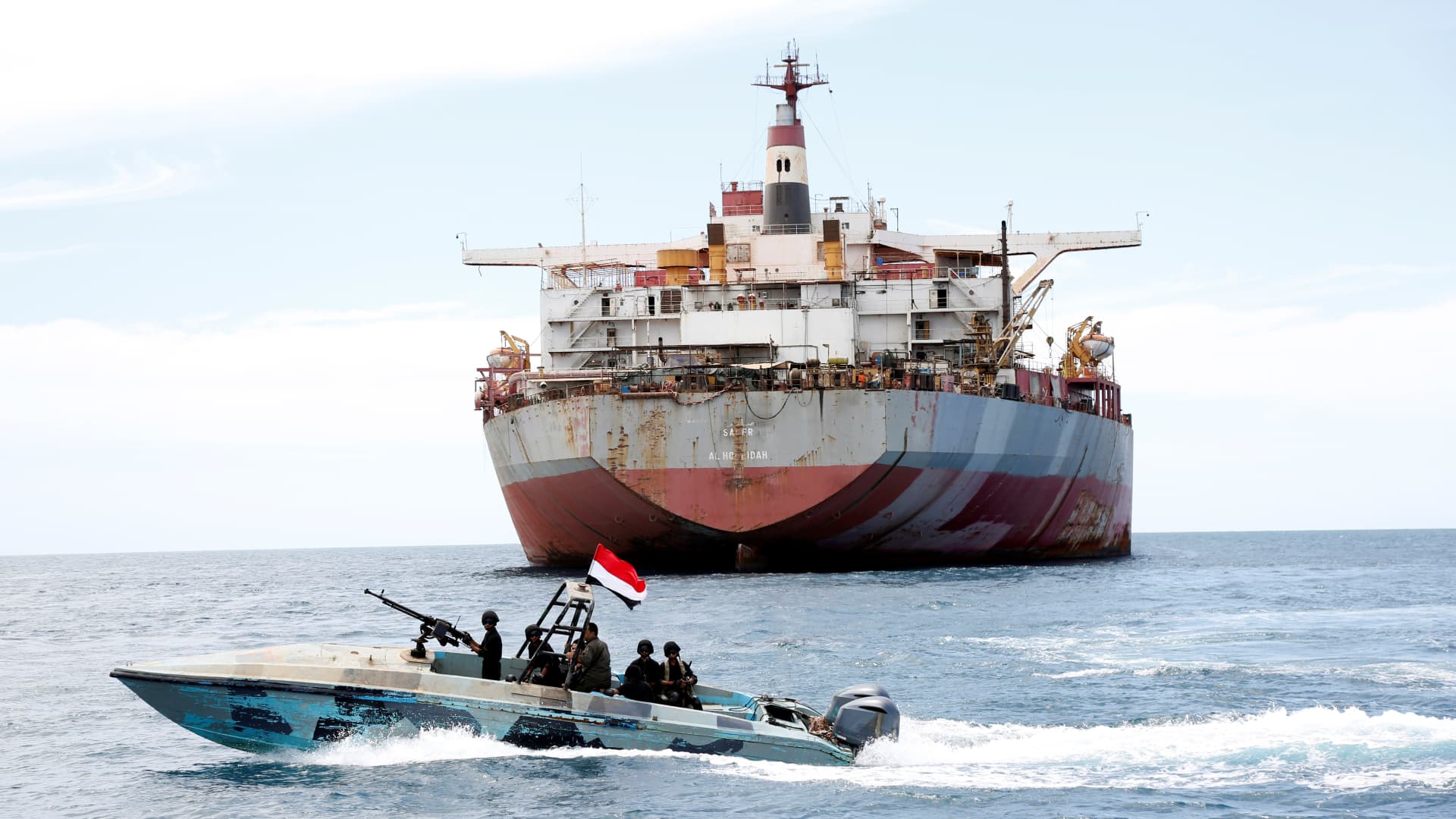
According to maritime security agencies, at least 20 attacks on merchant ships have been reported this month. In October, there were 35 such incidents, which is the highest level since the outbreak of the war.
According to the data from Kpler, as of Wednesday of that week, Middle Eastern crude oil exports averaged 12.8 million barrels per day, which is about 24% lower than the pre-war average of 17 million barrels per day. During the same period, fuel transportation volume was 3.2 million barrels per day, a decrease of about 49% compared to the pre-war average of 6.3 million barrels per day.
Goldwyn indicates that production in the American region is also increasing, while demand declines due to seasonal factors as the summer driving season comes to an end and refineries undergo maintenance.
Assuming a continued oversupply, JPMorgan Chase expects that Brent crude oil will remain in the high range of $70 per barrel in the first half of 2027, before falling to the $60 per barrel range in the second half of next year. Goldman Sachs predicts that Brent crude oil will hover around $88 per barrel next year, with an average price of about $78 per barrel WTI next year.
However, Kpler warns that if Iran or its Houthi allies bomb the Fujairah export terminals in the UAE, or key Saudi infrastructure such as Ras Tanura and Yanbu, or the East-West oil pipelines, then the expected supply surplus could easily turn into a shortage again.
Low inventory
Goldwyn says that any further disruption to supplies to the Middle East would occur at a time when global inventory buffers have been depleted to historic lows, and there is no time to replenish them. The CEOs of ExxonMobil and Chevron have been warning for months that global oil inventories are running out.
Goldwyn indicates that the United States may still release an additional 10 million barrels of strategic oil reserves, and Europe could also release more refined oil products. However, he said that neither the United States nor Europe would be keen on using these reserves again.
Goldwyn said, "If this seems to be going to become a long-term situation, I don't think either the United States or Europe would be willing to use these reserves just to ease prices."
Staunovo indicates that as the situation in the Middle East remains fragile, China is also increasing its crude oil imports. Beijing significantly reduced imports earlier this year, which was one of the main factors in curbing further spikes in oil prices during the war.
Staunovo said, "These developments have collectively led to a decline in offshore crude oil inventories and a tightening of the spot market. This supports our view that oil prices should rebound from their current levels."