The Trump administration claims that the risks associated with AI can be managed by companies on their own.
CNBC
09-16 01:09
Ai Focus
The Trump administration claims that the risks associated with AI can mainly be managed by companies, while Democratic lawmakers are calling for more regulatory constraints.
Helpful
No.Help

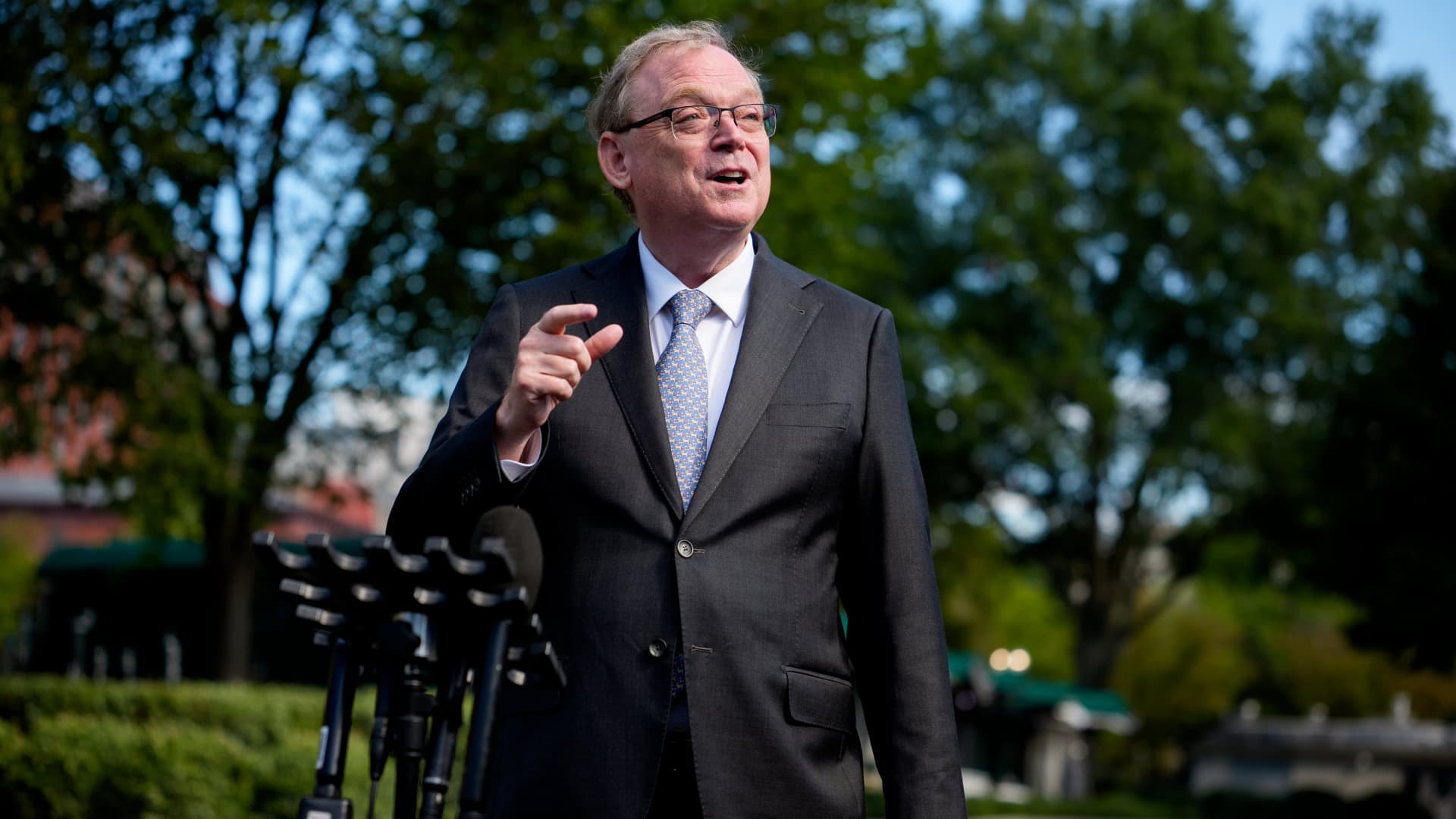
Differences in the US government's approach to regulating artificial intelligence are becoming increasingly public. Kevin Hassett, Director of the White House National Economic Council, argues that the risks associated with the rapidly developing AI can be managed by companies without the need for further government intervention; however, Democratic members of Congress and some industry representatives do not agree with this assessment.

Hassett claims that companies can manage risks

In an interview with CNBC, Hassett stated that the government is not standing by idly but is continuously monitoring the situation and will resort to law enforcement measures when necessary to ensure that companies act responsibly. However, he emphasized that the private sector remains the appropriate place to address AI risks.

This stance continues the overall approach of the Trump administration, which regards the development of AI as a key area in the competition between the United States and China. The White House believes that if industrial progress is slowed down due to tighter regulations, it could weaken the United States' leading position in this industry.

Werner calls for additional restrictive measures

The vice chairman of the Senate Intelligence Committee, Democratic Senator Mark Warner, subsequently publicly refuted this claim. He stated that leaving risk control entirely in the hands of large technology companies is not enough to reassure the public.

Werner stated that after communicating with Anthropic CEO Dario Amodei and OpenAI CEO Sam Altman over the weekend, he believes that some AI companies have been "quite hasty" in their product testing so far. He advocates for setting clearer restrictions regarding data centers, protection of minors, AI proxy usage, and pre-testing for national security.

Industry executives continue to diverge in their positions

Recently, the risk issues surrounding AI have once again intensified. Previously, Amodei, the CEO of Anthropic, called for a slowdown in the development pace of AI, a stance that also received support from Ortmann and Musk.

However, not all tech companies support increased government intervention. On Monday, NVIDIA CEO Jensen Huang publicly echoed the White House stance during a live call with Trump at the All-In summit in Los Angeles. Trump stated that those who issue AI risk warnings and oppose the construction of data centers are hindering the progress of this industry; Jensen Huang responded that such a situation would not happen.

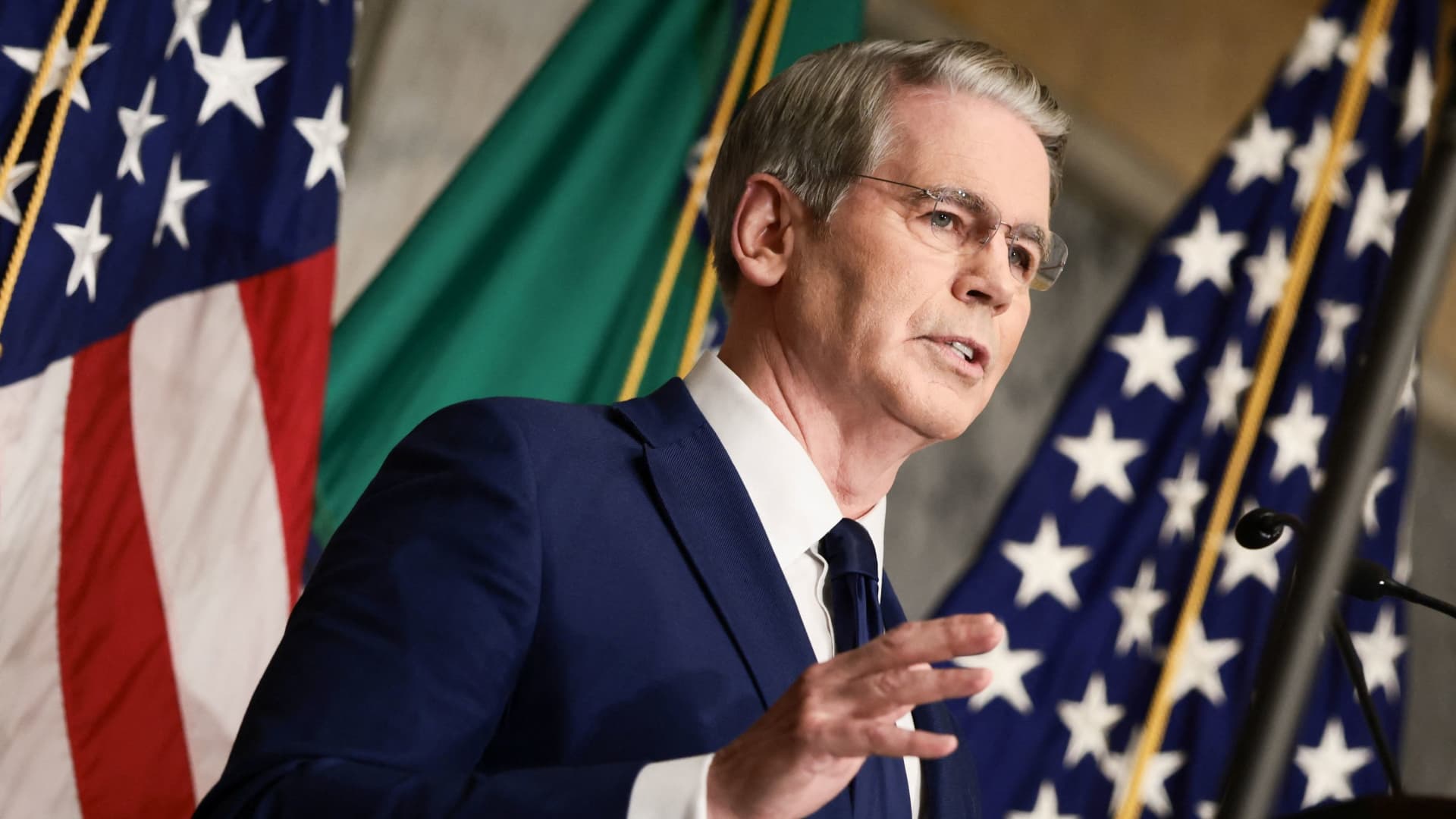
U.S. Treasury Secretary Scott Bessent also stated during testimony before the House Financial Services Committee on the same day that the president and Jensen Huang have "completely consistent" positions on this issue. As the midterms approach, AI is becoming a topic of more frequent discussion between the two parties.

Tip
$0
Like
0
Save
0
Views 535
HQYC reminds readers to view blockchain rationally, stay aware of risks, and beware of virtual token issuance and speculation. All content on this site represents market information or related viewpoints only and does not constitute any form of investment advice. If you find sensitive content, please click“Report”,and we will handle it promptly。
Submit
Comment 0
Hot
Latest
No comments yet. Be the first!
Related
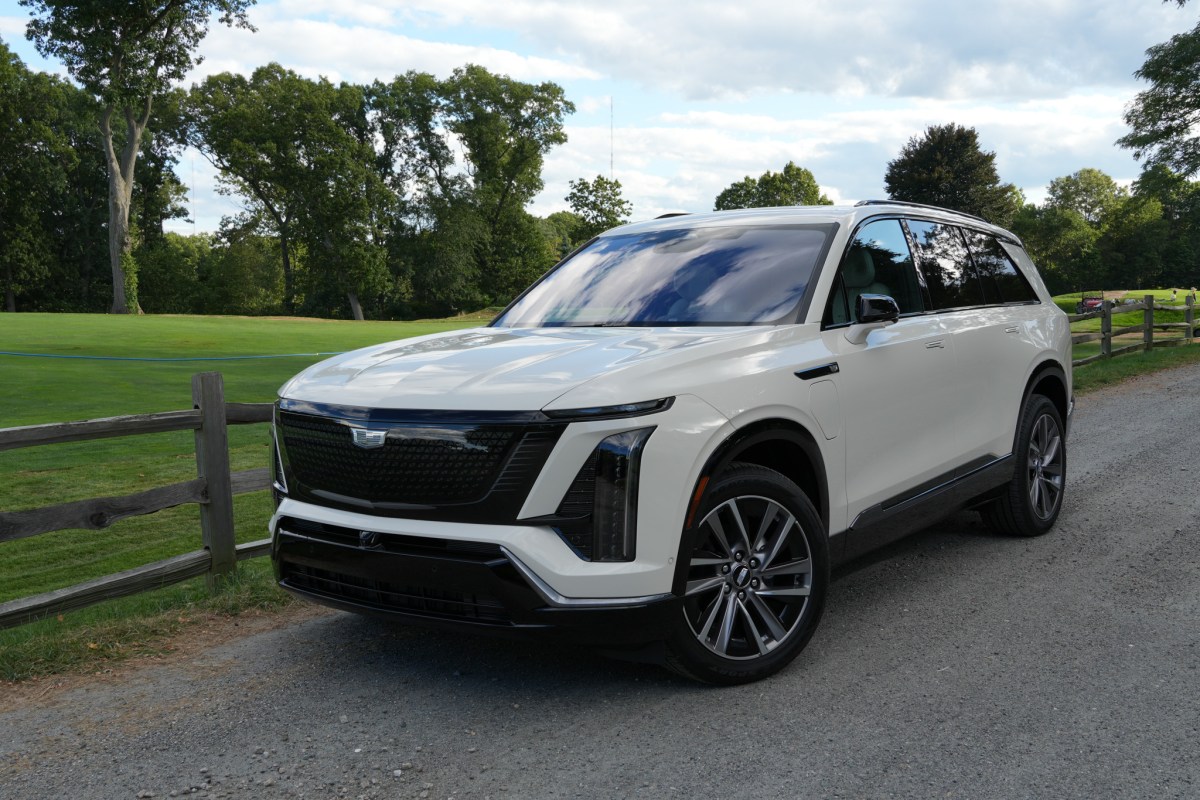
The Cadillac Vistiq is a luxurious and cost-effective vehicle model, but this advantage may not last too long.
The author tested drove the 2027 Cadillac Vistiq, and found that this three-row all-electric SUV is quite attractive in terms of luxury, configuration, and price. However, its charging infrastructure and the prospects for future platform updates may limit its long-term advantages.
TechCrunch
·2026-11-30 02:02:34
5
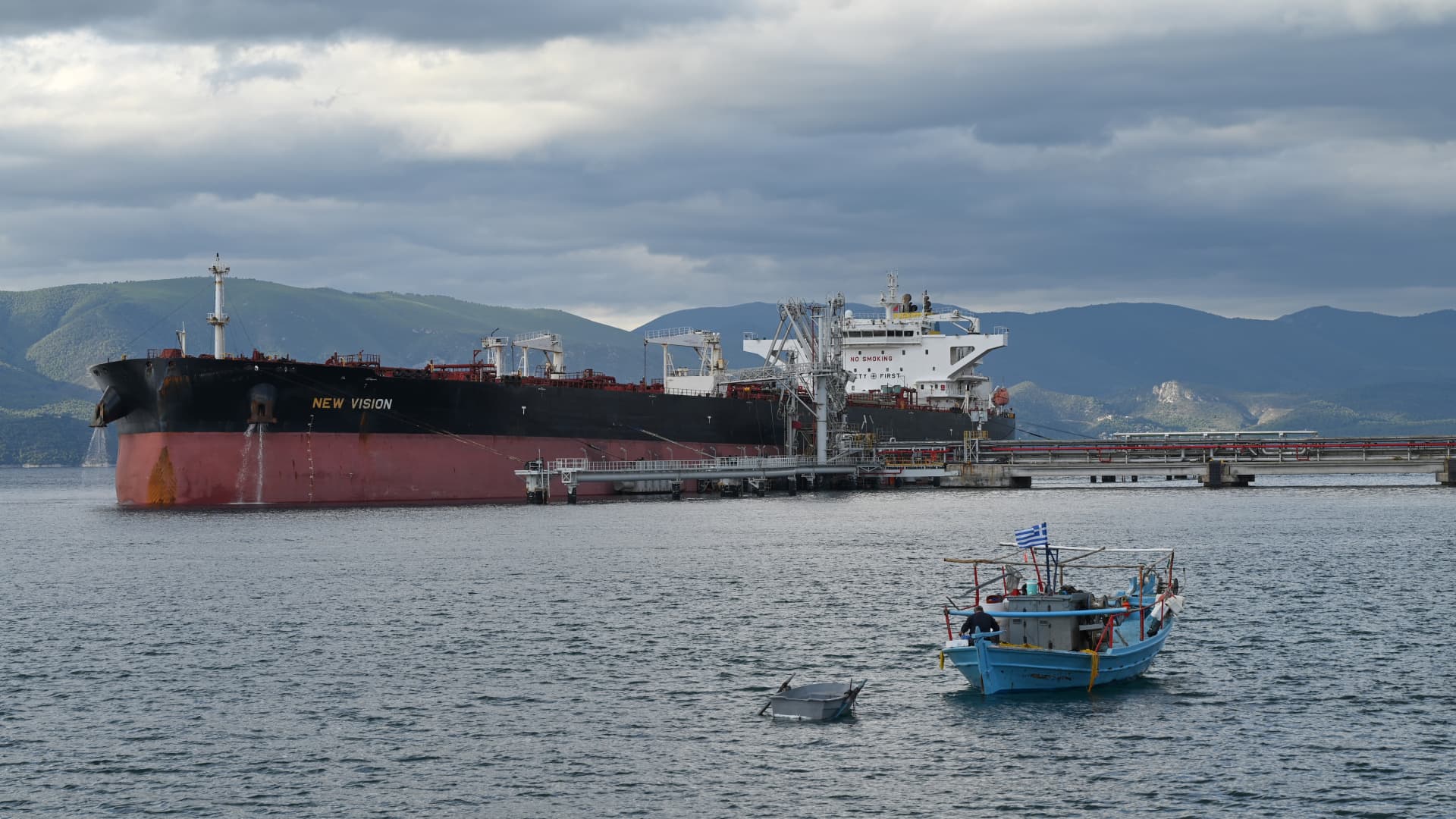
The Iran war could shatter expectations of an oversupply of crude oil in the coming months
In November, crude oil prices tumbled significantly as investors bet that the resumption of exports from the Middle East would lead to a surplus in the market for the first time since the outbreak of the Iran war. However, many analysts believe that this assessment may be overly optimistic, as geopolitical conflicts, shipping attacks, and low inventories all indicate that the oil market could still fluctuate within a wide range.
CNBC
·2026-11-30 01:54:23
9
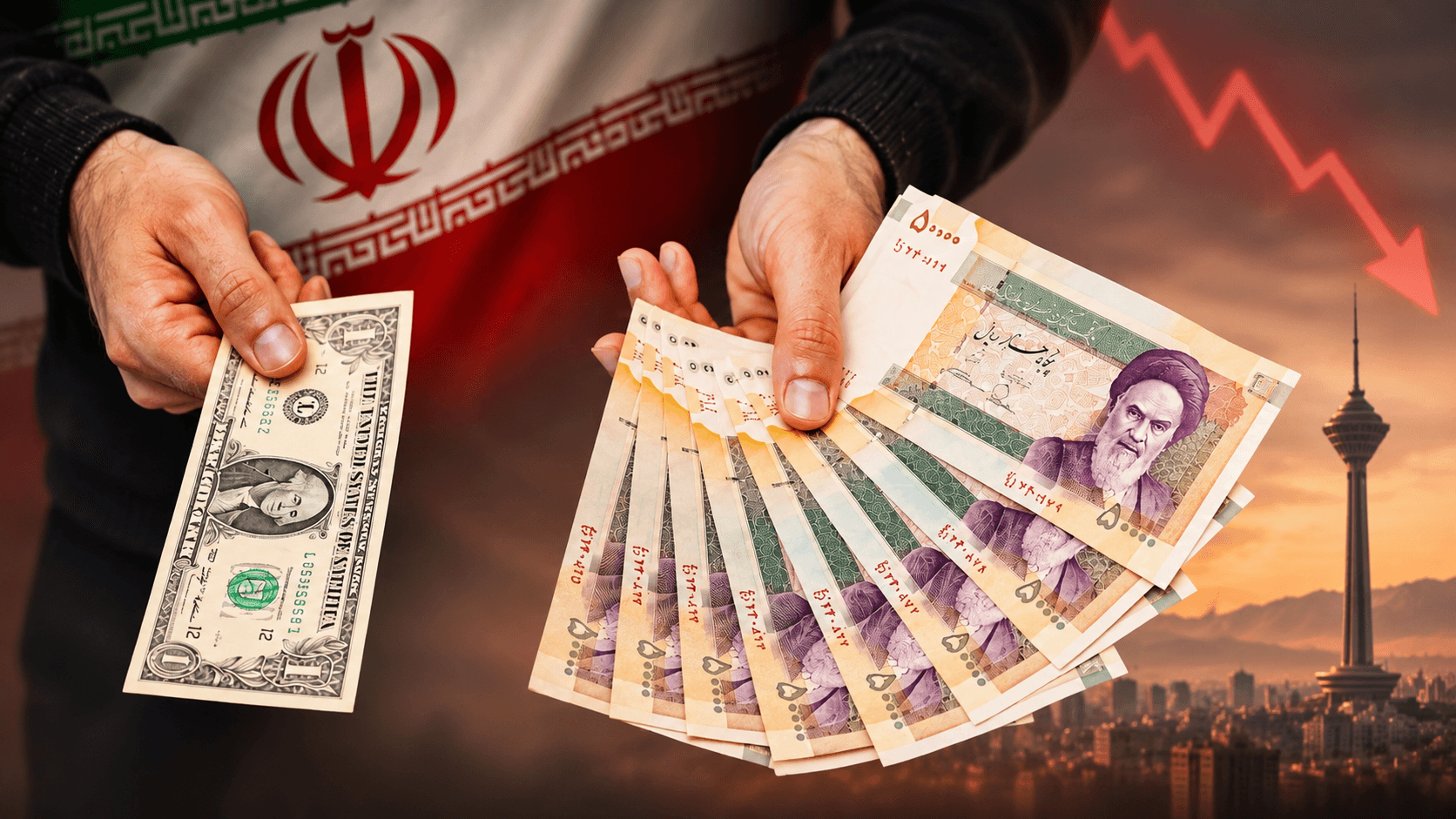
Iranian rial hits a record low; 1 US dollar can now be exchanged for 3 million rials in the open market
Iranian currency hits another record low on Sunday, with the US dollar breaking through 3 million rials for the first time in the open market. Meanwhile, inflation in Iran continues to remain high, and the United States announced new sanctions on November 23, further increasing pressure on Iran's financial network.
Coinpaper
·2026-11-30 01:52:31
6
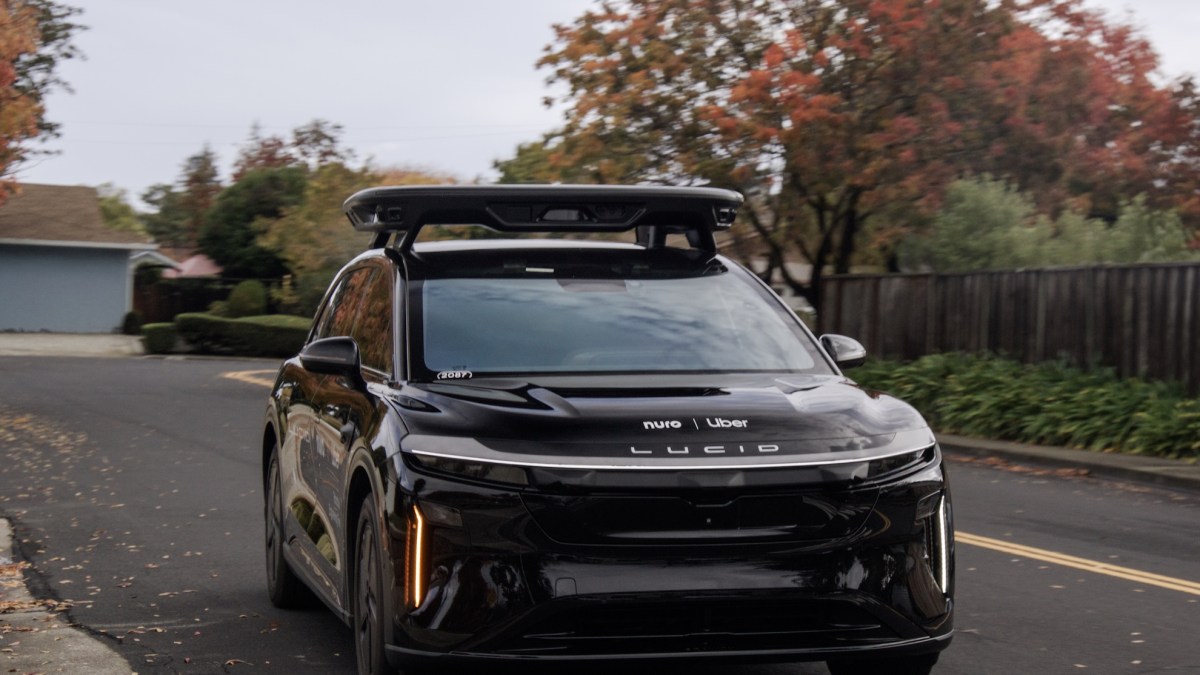
TechCrunch Mobility: Uber and Nuro enter the territory of Waymo
Uber and Nuro have begun testing driverless Lucid Gravity SUV on public roads in San Francisco, with an initial fleet of several dozen vehicles. After the commercial service is launched next year, the fleet is expected to expand to several hundred vehicles. Meanwhile, Waymo has drawn attention due to a software recall and operational arrangements before a storm. Ford, Harbinger, Zin Boats, and others have also disclosed their latest financing or business progress.
TechCrunch
·2026-11-30 01:43:13
13
Predictions suggest that the market is eroding gambling revenues across states, but there are numerous obstacles to implementing tax measures to address this issue.
In the past two years, the popularity of prediction markets has surged. Kalshi and Polymarket have been challenging traditional gambling platforms, putting pressure on state governments that rely on taxes from sports betting. Multiple states have filed lawsuits or pushed for legislation to impose taxes, but the legality of these tax arrangements still depends on the courts, particularly on how the Supreme Court defines prediction markets and the boundaries of state regulation.
Fortune
·2026-11-30 01:29:21
13
View More