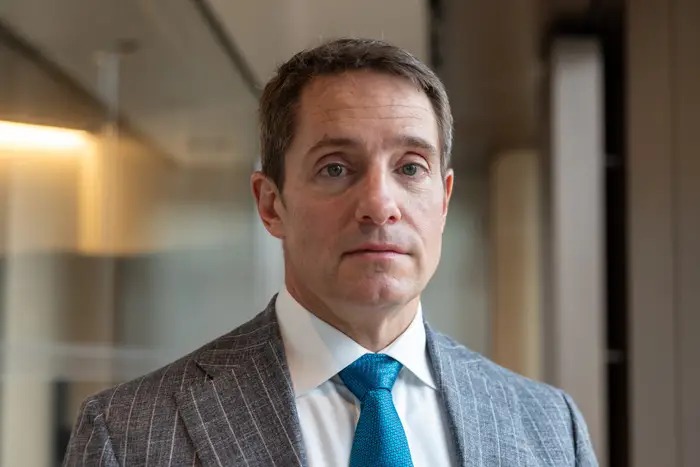


The Ethereum Foundation has appointed security researcher Pascal Caversaccio to its board of directors for a one-year, unpaid term. With this appointment, the foundation's board now comprises four members, including Vitalik Buterin, foundation president Aya Miyaguchi, and Swiss legal counsel Patrick Storchenegger.
The board of directors has been increased to four members.
The foundation announced the appointment on July 29, describing Caversaccio as a long-time Ethereum contributor, co-founder and head of SEAL 911, and a member of the foundation's Silviculture Society. The foundation stated that the board is responsible for setting the organization's vision and overseeing whether the leadership's execution direction aligns with the foundation's values.
The foundation also stated that the board of directors is responsible for protecting the organization's mission and fulfilling the Swiss foundation's compliance obligations, but this does not mean that it has acquired a new regulatory status or additional powers.
Security and privacy are gaining importance.
This personnel adjustment occurred after the foundation's restructuring in June. Prior to this, the foundation cut 54 positions, approximately 20% of its total staff, and reorganized its work into multiple areas, including agreements, access, users, community, institutions, operations, and management.
Under the new organizational structure, the foundation prioritizes privacy and security as core requirements at the protocol level. Key areas of focus include Layer 1 privacy, quantum-resistant security, more secure protocol upgrades, reduced technical complexity, and addressing harmful behaviors that maximize extractable value.
However, the foundation also emphasized that its role is not to control the Ethereum network, but rather to provide support and coordination as one of the many maintainers of the network, focusing on privacy and censorship resistance goals.
SEAL 911 provides practical experience.
Caversaccio's background primarily focuses on on-chain security and privacy initiatives. He has published articles such as "The Ethereum Cypherpunk Manifesto" and "Ethereum Privacy: The Road to Self-Sovereignty." The foundation states that he has long been instrumental in advancing Ethereum security practices through technical contributions and community work.
He co-founded SEAL 911, a free 24/7 emergency response service for crypto security incidents. According to Security Alliance data, the project has handled over 3,300 tickets, coordinated more than 125 emergency response teams, and helped secure over $180 million in assets.
No new security plans have been announced yet.
The foundation did not disclose a new security budget, contingency mechanisms, or special programs along with the appointment, nor did it explain its committee roles within the board, additional voting powers, or quantifiable targets for the first year.
Based on the information disclosed so far, Cavesaccio's formal responsibilities remain primarily at the board oversight level. Specific implementation work is still driven by management, researchers, developers, and the broader Ethereum governance process.
The foundation has not announced the exact end date of this term, nor whether it will renew the term after one year. Any extension arrangements will depend on a further decision by the board or a public update.