

On-chain and fund flow data both point to the same trend: XRP is flowing from trading platforms to long-term holding accounts. Binance's XRP outflow transactions have risen to an all-time high, and the US spot XRP ETF has seen a net inflow of approximately $1.5 billion since its launch last November, further tightening the market's tradable supply.
Binance outflows hit an all-time high
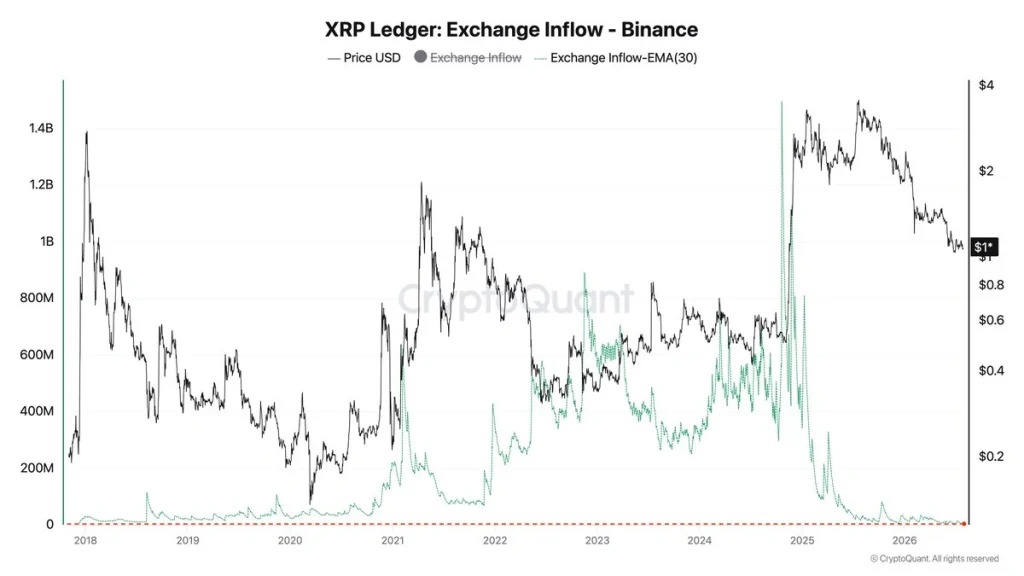
Blockchain researcher BankXRP, citing data from CryptoQuant, reports that the number of XRP outflow transactions on Binance has reached an all-time high. It's worth noting that this change is not solely driven by large-scale addresses.
From small accounts holding fewer than 1,000 XRP to large accounts transferring millions of dollars worth of tokens, various wallet types are increasing withdrawals. This distribution indicates that market participants are more broadly transferring XRP away from exchanges, rather than just using it for short-term trading.
Sustained net outflows from exchanges typically mean that tokens entering private wallets are less likely to be sold in the short term. As exchange reserves decrease, the amount of XRP available for circulation in the market also tightens.
Spot ETFs continue to absorb supply
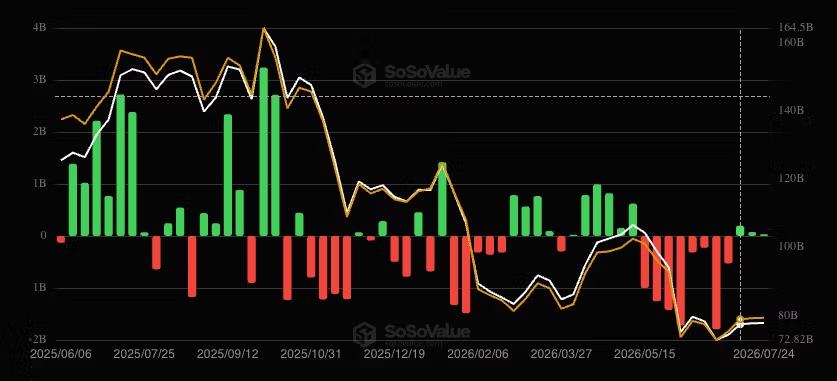
According to data from SoSoValue cited by Evernorth, as of July 28, 2026, the US spot XRP ETF had seen a cumulative net inflow of approximately $1.5 billion. Although there were redemptions during this period, the overall outflow was relatively limited.
The report states that even during the largest single-week outflows this year, the outflow amount was only about $7 million. This level is still small compared to the cumulative net inflows, indicating that institutional funds have not significantly withdrawn.
According to the latest filings, Franklin Templeton clients have further increased their holdings of XRP ETF, adding approximately $5.66 million in exposure. This suggests that some investors are more inclined to add to their positions during pullbacks rather than reduce them.
Compliance channels in Asia continue to expand.
In addition to funding, compliant trading channels for XRP are also expanding. Hong Kong recently approved the first licensed retail XRP trading platform, further increasing compliant access in the Asian market.
With declining exchange liquidity, continued ETF inflows, and expanded compliant channels, the supply and demand structure of XRP is tightening. If demand continues to increase, price volatility may be further amplified.