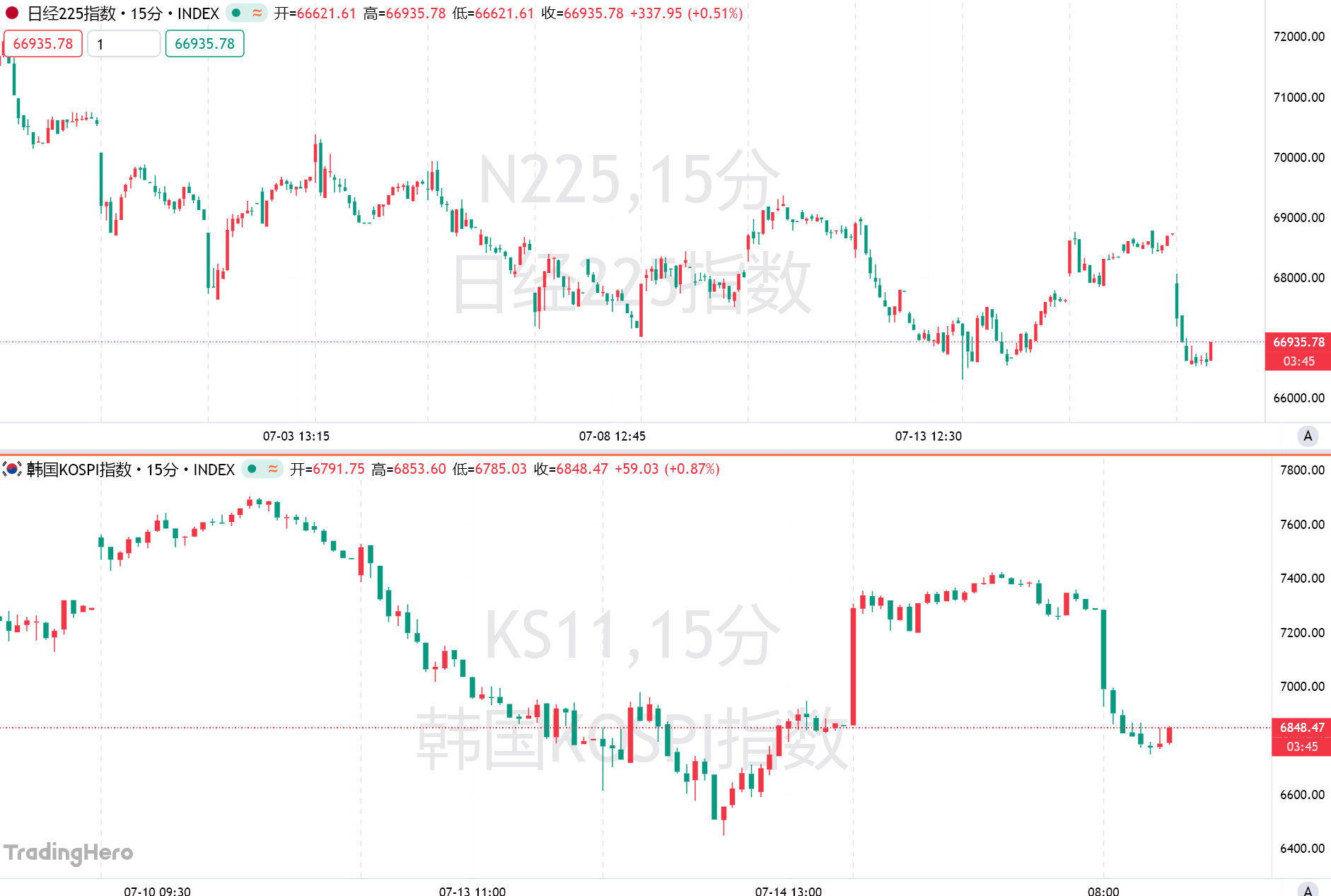


South Korean stocks plunged on Thursday, with the KOSPI falling more than 7% at one point, prompting the Korea Exchange to temporarily suspend trading. SK Hynix and Samsung Electronics led the decline, while Kioxia in Tokyo also weakened significantly, as the market reassessed the valuation capacity of the AI chip sector.
Chip stocks dragged down Asian markets
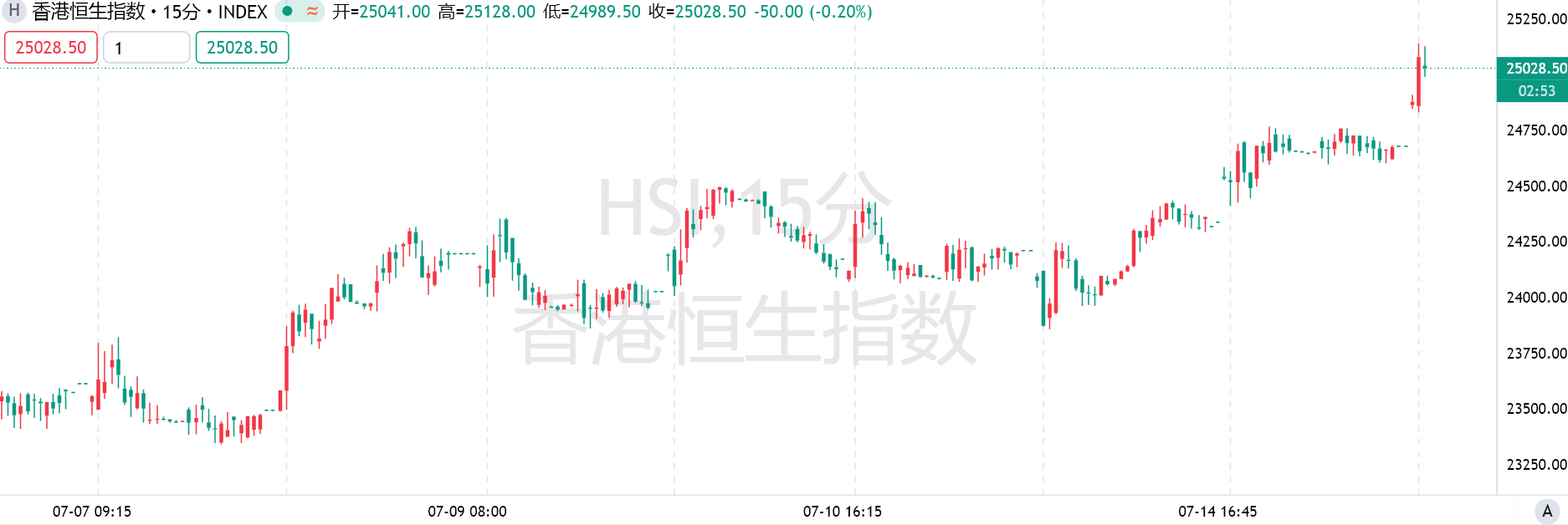
The MSCI Asia Pacific Index fell as much as 1.5%, ending a two-day rebound. In contrast to the weakness in the South Korean and Japanese markets, the Hong Kong Hang Seng Tech Index continued to rise during the session, with Alibaba leading the gains, indicating a divergence in the performance of Asian technology stocks.
According to institutional analysts, the sharp fluctuations in South Korean core technology stocks, which far exceeded those of the Nikkei 225 index in a short period of time, reflect the fragility of local market liquidity and its susceptibility to shocks from sentiment and capital flows.
The Bank of Korea announced an interest rate hike.
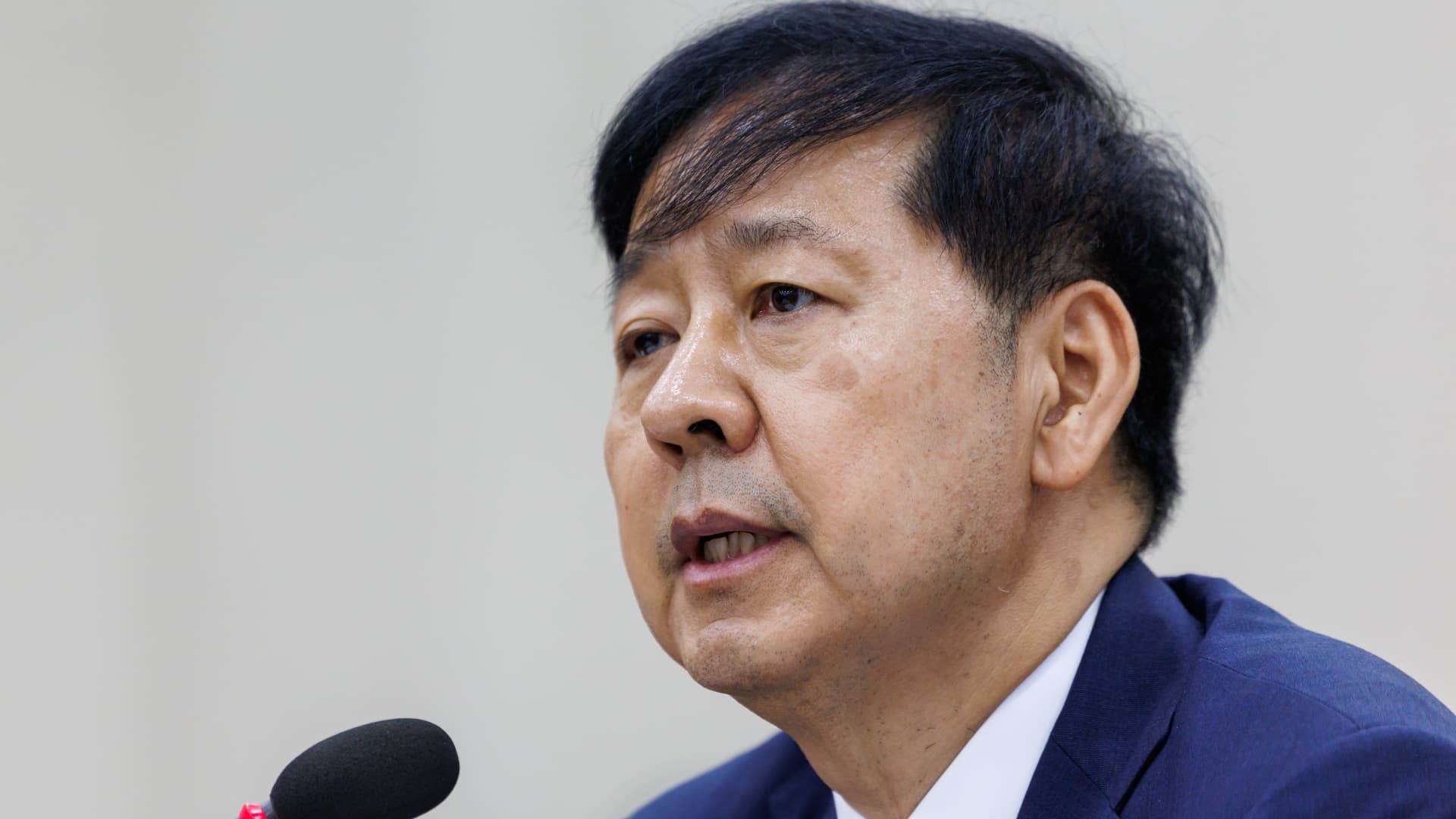
The Bank of Korea announced an interest rate hike on Thursday, its first increase in more than three years, marking the end of the easing cycle that began at the end of 2024. The market believes that stronger-than-expected economic growth and persistently high inflation are the main reasons for this policy shift.
Analysts noted that in addition to combating inflation, the interest rate hike also aimed to stabilize the Korean won and curb leveraged stock investment. With the tightening policy stance, the market has begun discussing whether the Bank of Korea will continue to raise interest rates, and how quickly.
Losses widen in leveraged ETFs
South Korean financial regulators said they will soon announce measures to address the leveraged ETFs issued for individual stocks of Samsung Electronics and SK Hynix. The Financial Services Commission stated that it is consulting with the Ministry of Finance, the Bank of Korea, and the Financial Supervisory Service, with the goal of protecting investors and stabilizing the market.
- The valuation losses of the four related leveraged ETFs amounted to 8.8337 trillion won.
- Assets under management decreased from 14.3518 trillion won to 8.9389 trillion won.
- The assets under management of 14 related leveraged ETFs decreased by 41.4% during the same period.
Data from the Korea Capital Markets Institute shows that as of June 19, individual investors had made net purchases of 8.2 trillion won in single-stock leveraged ETFs, accounting for approximately 60% of the total assets of these ETFs. This means that a large portion of the recent losses on these products may have been borne by individual investors.
TSMC's financial report becomes the next focus
Following ASML's second upward revision of its sales forecast this year, the market initially expected support for the chip sector, but stock prices reacted weakly. Investors will now focus on TSMC's upcoming earnings report, observing whether AI demand, capital expenditure, and order prospects can stabilize sentiment in the regional tech sector.